
How Generative AI Works: A Beginner-Friendly Guide for 2025

How Generative AI Works: A Beginner-Friendly Guide for 2025

How Generative AI Works: A Beginner-Friendly Guide for 2025

Generative AI has become impossible to ignore in 2025. Whether it’s writing an email, generating artwork, answering your questions, or writing code, this technology is fundamentally changing how we work, learn, and create. If you’re curious about how generative AI works—and let’s be honest, most of us are—this guide breaks it down into straightforward, digestible pieces.

You don’t need a computer science degree to understand this. I’ll walk you through how these systems learn, how they create new content, and why they’ve become so powerful so quickly.

What is Generative AI, Really?

At its heart, Generative AI is software that creates new content by learning patterns from existing data. It could generate text, images, videos, code, music, design mockups—basically anything digital. Generative AI Works The name says it all: “generative” means it generates, or creates, original output.

You’ve probably used it already. ChatGPT, Claude, Bard, MidJourney, DALL·E—these are all examples of generative AI tools.

The key difference between generative AI and older AI systems is flexibility. Traditional AI follows strict, predetermined rules. Generative AI learns patterns from massive amounts of data and uses those patterns to produce something new. That’s what makes it feel almost intelligent.

Why This Matters Right Now

In 2025, generative AI isn’t just a cool tech experiment anymore—it’s reshaping how work actually gets done. Companies use it to speed up content creation, handle customer service, generate marketing ideas, and automate tedious tasks. Students are using it to study more effectively. Generative AI Works Professionals are using it to be more productive. And honestly, ignoring it at this point puts you at a disadvantage.

Understanding how generative AI works isn’t just intellectually interesting. It’s becoming a practical skill you’ll probably need.

How Generative AI Actually Works

Let me walk you through this step by step. The process might sound complicated, but the fundamental idea is simple: the AI learns from data, then uses what it learned to create something new.

Step 1: Learning from Enormous Amounts of Data

Everything starts with training data. And I mean a lot of data.

Text-based AI models learn from billions of words across books, websites, articles, and documents. Image models train on millions of photographs. Video models study countless hours of footage. Generative AI Works During this training phase, the AI is essentially soaking up patterns, connections, and relationships across all this content.

Without this massive foundation of training data, generative AI couldn’t produce anything worth using. The quality of the output depends entirely on the quality and breadth of what it learned from.

Step 2: Neural Networks: How AI Actually Learns

To make sense of all that data, generative AI uses something called neural networks. Inspired by how our brains work, these networks contain layers of interconnected nodes (think of them like artificial neurons) that process and understand information.

Here’s what neural networks actually do:

They spot patterns humans might miss. They grasp meaning from words, images, and relationships. They store all that knowledge during training. Generative AI Works They eventually use it to generate new content that makes sense.

Modern generative AI relies on sophisticated neural network architectures like Transformers (which power ChatGPT and similar models), Diffusion models (used for image generation), and Vision Language Models that understand both text and images. Generative AI Works These innovations are what make today’s AI feel so capable.

Step 3: Predicting What Comes Next

Once the AI has absorbed patterns from its training data, it’s ready to start creating. And here’s the core trick that makes generative AI work: prediction.

With text, the AI predicts the next word, then the next sentence, building on previous words. With images, it predicts shapes, colors, and textures. With audio, it predicts sound waves and tone.

The crucial part? The AI isn’t copying existing data. It’s using what it learned to generate something entirely new—something that didn’t exist before. That predictive ability is why generative AI can feel so creative, even though it’s really just pattern-matching at an incredibly sophisticated level.

Step 4: You Give a Prompt, It Generates a Response

This is where you actually interact with the AI. You provide a prompt—a question, instruction, or request.

Maybe you ask it to “write a compelling blog introduction” or “create an image of a sunset.” You could request code for a login page or ask for marketing campaign ideas. The AI takes your prompt and draws on everything it learned during training to give you the best possible response.

From the user’s perspective, it’s beautifully simple. Behind the scenes? Incredibly complex. But that’s kind of the point.

Step 5: Fine-Tuning for Specific Tasks

After initial training, developers can refine AI models for specialized purposes. This process is called fine-tuning, and it’s how you get AI that’s really good at specific things.

An AI model can be fine-tuned specifically for medical research, customer support, legal work, or marketing. This customization makes the AI more accurate and useful for particular industries or tasks. It’s one of the reasons generative AI performs so well in real-world applications where precision matters.

The Main Types of Generative AI Models

To fully understand this landscape, it helps to know what types of models are out there:

  • Large Language Models (LLMs) — These generate text. Examples include GPT-4, Claude, and Gemini.
  • Diffusion Models — These create images by gradually refining random noise into coherent pictures. DALL·E and Midjourney use this approach.
  • Generative Adversarial Networks (GANs) — These pit two networks against each other to create increasingly convincing images and videos.
  • Transformer Models — The backbone of most modern AI, these excel at understanding long sequences of text and relationships within data.

Each model type handles different tasks, and together they’re reshaping what’s possible.

Where Generative AI Is Already Being Used

The applications are everywhere already. You probably encounter generative AI without even realizing it.

  • Content Creation — Blog posts, social media captions, newsletters, marketing scripts. Faster and more prolific than ever before.
  • Visual Content — Product photos, brand imagery, advertising creative, animations. Tools that used to require hiring designers.
  • Software Development — Debugging code, generating new code from scratch, writing documentation. Developers are shipping faster.
  • Business Operations — Automated email responses, customer service chatbots, report generation, workflow automation.
  • Education — Explaining concepts in different ways, generating study materials, personalized tutoring at scale.
  • Healthcare — Analyzing medical data, generating diagnostic reports, accelerating research timelines.
  • Marketing — Campaign ideation, customer behavior insights, personalized messaging, copywriting.
  • Design — UI/UX mockups, 3D modeling, concept art, wireframes. The creative process is speeding up.

The real power is that generative AI is already practical, not theoretical.

Why It’s Actually Useful

Let’s be real about the advantages. Productivity jumps dramatically—work that took hours gets done in minutes. Creativity gets a major boost; you can explore ideas that would’ve been too time-consuming before. Costs drop because you’re automating manual labor. And from a learning perspective, people can grasp complex topics faster and stay current in their fields.

Those are meaningful wins.

The Honest Challenges

That said, generative AI isn’t perfect, and pretending it is doesn’t help anyone.

  • Accuracy can be an issue. Sometimes the AI generates information that’s outdated or flat-out wrong. You still need to fact-check.
  • Bias exists. If the training data contains biases, the AI will reflect those biases. It’s not neutral—nothing trained on human-generated data truly is.
  • Over-dependence is real. People sometimes lean on AI so heavily that they stop developing core skills. That’s genuinely concerning.

Being aware of these limitations is how you use generative AI responsibly rather than recklessly.

What’s Coming Next

As we move through 2025 and beyond, expect generative AI to get noticeably better. More personal AI assistants that actually understand your context. AI agents that can autonomously handle complex tasks. Better voice and video generation. Smarter business automation. And more specialized models built for specific industries and use cases.

This technology isn’t slowing down. If anything, it’s accelerating.

The Bottom Line

Understanding how generative AI works—how it learns from data, uses neural networks to identify patterns, predicts outputs, and generates content based on your prompts—gives you a real advantage. In a world where this technology is becoming ubiquitous, knowing how it works isn’t just interesting. It’s essential.

The people who understand generative AI will work faster, think more strategically, and achieve better results. Whether you want to use it professionally or just stay informed, getting this knowledge now puts you ahead of the curve. How Generative AI Works: A Beginner-Friendly Guide for 2025

Read More
Build an AI Chatbot for Your Website in Just 5 Minutes with YourSiteChat

Build an AI Chatbot for Your Website in Just 5 Minutes with YourSiteChat

Build an AI Chatbot for Your Website in Just 5 Minutes with YourSiteChat , In today’s digital world, your website has only a few seconds to impress visitors. People arrive with questions, and they expect instant answers—day or night. If they don’t find what they’re looking for, they leave, and many never return.

That’s exactly why AI chatbots have become a must-have tool in 2025. YourSiteChat They don’t just respond to messages; they guide visitors, convert leads, and offer support without any manual effort. And with tools like YourSiteChat, setting one up is no longer complicated or time-consuming. In fact, you can have a fully functional AI chatbot running on your website in just five minutes, even if you’ve never written a single line of code.

This simple guide will show you how to do it—step by step—so you can start improving engagement, reducing support workload, and giving every visitor the quick experience they expect.

Why Your Website Absolutely Needs an AI Chatbot in 2025

Remember when chatbots were these fancy features that only enterprise companies could afford? Those days are long gone. YourSiteChat Today, even solo entrepreneurs and small bloggers are using chatbots. And there’s a really good reason for that.

1. Your Business Never Sleeps ( AI Chatbot for Your Website )

Think about this for a second. Your website is live 24/7, but you’re not. Your team isn’t available at midnight. Your sales rep isn’t answering emails on Sunday morning. Yet people are visiting your site at all hours—and they have questions.

With an AI chatbot, you’re essentially hiring a team member who never takes a break. Someone visits your site at 3 AM with a question about your pricing? The chatbot handles it. A potential customer from Tokyo drops by during your local time zone’s off-hours? They get instant answers.

I’ve talked to business owners who told me they were losing deals simply because they couldn’t respond fast enough. One guy ran a consulting business and would often get inquiries late at night. By the time he responded the next morning, those prospects had already moved on to competitors. After he added a chatbot, his response time went from hours to seconds. Game changer.

2. Lead Generation That Actually Works While You Sleep

Here’s something that blew my mind when I first understood it: a chatbot can be your best salesperson. And unlike human salespeople, it works 24/7 without complaining, without needing coffee breaks, and without ever having an off day.

Picture this scenario. YourSiteChat Someone lands on your website at 11 PM. They’re browsing your services, clearly interested. Without a chatbot, they might fill out a contact form (if you’re lucky) and then… wait. By tomorrow morning, their interest might have cooled. They might have found a competitor who responded faster.

I know an e-commerce store owner who was skeptical about chatbots. She thought they were impersonal. But after testing one for just two weeks, she saw her lead capture rate jump by 60%. Why? Because people would rather chat than fill out forms. It’s just more natural.

3. Dramatically Lower Support Costs

Let’s talk about something every business owner thinks about: support costs. Hiring support staff is expensive. YourSiteChat Training them takes time. And even with a great team, you’re limited by how many conversations they can handle simultaneously.

A chatbot for business changes this equation completely. It handles all the repetitive stuff—the questions you’ve answered a thousand times:

  • “What are your business hours?”
  • “Do you ship internationally?”
  • “How do I reset my password?”
  • “Where can I find your return policy?”

Your chatbot answers these instantly, freeing up your human team to focus on complex issues that genuinely need a personal touch. One customer success manager told me that after implementing a chatbot, about 40% of their support tickets disappeared overnight. The chatbot was handling them automatically.

Think about the math here. If you’re paying a support person $20 per hour, and they spend half their time answering repetitive questions, that’s $10 per hour you’re essentially wasting. Scale that across a team, across a year, and you’re looking at serious money.

4. People Actually Engage More with Your Site

This one surprised me initially, but it makes total sense when you think about it. When visitors can interact with your website through conversation, they stay longer. They explore more pages. They feel more connected to your brand.

It’s the difference between walking into a store and wandering around alone versus having a friendly person say, “Hey, welcome! What brings you in today? Let me show you around.”

This increased engagement does something really valuable: it signals to Google that your website is useful and relevant. People spending more time on your site, clicking through multiple pages, actually engaging—all of this helps your SEO. Plus, it builds trust. A visitor who has a helpful conversation with your chatbot is way more likely to become a customer than someone who just reads static text and leaves.

What Exactly Is YourSiteChat? (And Why It Stands Out)

Alright, so you’re probably wondering—what makes YourSiteChat different from the dozens of other chatbot tools out there?

YourSiteChat is a no-code AI chatbot platform designed specifically for people who don’t want to deal with technical complexity. YourSiteChat And I mean that genuinely. You don’t need to know what JavaScript is. You don’t need to understand APIs. You don’t need a developer on speed dial.

It’s built for real people running real businesses:

  • Small business owners who are already wearing ten different hats and don’t have time for complicated tools
  • Bloggers who want to create actual conversations with their readers instead of just publishing into the void
  • E-commerce store owners who need to answer product questions instantly to close more sales
  • Digital agencies managing multiple client websites who need a solution they can deploy quickly and reliably

What I really appreciate about YourSiteChat is that it doesn’t try to be everything to everyone. It focuses on doing one thing really well: helping you create an intelligent, conversational chatbot that actually works.

Key Features That Actually Matter

Let me break down what YourSiteChat offers, because features lists can be boring. I’ll tell you what each one actually means for your business.

FeatureWhat It Actually Does For You
No-Code SetupYou can build your chatbot in minutes without touching a single line of code. If you can copy and paste, you can do this.
Train with Your ContentThe chatbot automatically learns from your website content. You’re not starting from scratch—it already understands your business.
Multi-Language SupportGot international visitors? Your chatbot can chat with them in English, Hindi, Spanish, or other languages. More languages = more potential customers.
Custom BrandingChange colors, logos, welcome messages—make it look like it’s actually part of your brand, not some generic widget.
Lead CollectionEvery conversation can capture emails, phone numbers, interests. Your chatbot becomes a lead generation machine.
IntegrationsConnect it to your CRM, email marketing tool, analytics—so everything works together seamlessly.

How to Create an AI Chatbot Using YourSiteChat (Quick Steps)

1. Sign Up on YourSiteChat

Go to the website and enter your business details to create your account.

2. Customize Your Chatbot

Choose your brand colours and style to match your website.

3. Copy the Embed Code

YourSiteChat will generate a small script after setup.

4. Paste It on Your Website

Add the embed code to your site’s header or footer.

5. Test and Go Live

Refresh your site, test the chatbot, and you’re ready to go.

Step-by-Step: Building Your AI Chatbot (The Actual Process)

I’m going to walk you through this exactly as I did it the first time. No steps skipped. No “and then magic happens” moments. AI Chatbot for Your Website Just the real, actual process.

Grab a coffee (or tea, I don’t judge), and let’s do this together. Seriously, by the time you finish reading this section, you could have a working chatbot on your site.

Step 1: Head Over to YourSiteChat.com

First things first—open a new tab and go to the YourSiteChat website. You’ll see a button that says something like “Create Your Free Chatbot” or “Start Free Trial.” Click it.

The great thing here is that you get full access to all features during the trial. They’re not holding back the good stuff to upsell you later. YourSiteChat No credit card required upfront either, which I always appreciate because it shows confidence in the product.

This step also helps you rank for search terms people are actually looking for, like create AI chatbot free and build chatbot for website. Smart businesses think about SEO from day one.

Step 2: Sign Up and Connect Your Website

After you create your account (takes about 30 seconds), you’ll be asked to enter your website URL. Just paste it in. That’s it.

Here’s where things get interesting. YourSiteChat’s system will crawl your website—reading through your pages, understanding your content, learning about your products or services. AI Chatbot for Your Website This happens automatically in the background.

Within just a few minutes, your AI has basically read everything on your site and understands what you do. It knows your FAQs, your product descriptions, your about page, everything. YourSiteChat This means when someone asks your chatbot a question, it can actually give intelligent, accurate answers based on your real content.

Highlighted Keyword: train AI chatbot with website content

I remember the first time I did this, I was skeptical. I thought, “There’s no way it actually understands my business this quickly.” So I tested it with some specific questions about my services. I was genuinely impressed. It got everything right.

Step 3: Customize It to Match Your Brand

Now comes the fun part—making your chatbot actually look like it belongs on your website.

You can customize:

  • The chatbot’s name – Give it a personality. AI Chatbot for Your Website Instead of “Bot” or “Assistant,” maybe call it “Alex” or “Sarah” or something that fits your brand vibe
  • Welcome message – This is the first thing visitors see. Make it friendly and helpful: “Hey there! I’m here to help. What brings you to our site today?”
  • Colors and fonts – Match your brand colors exactly so it doesn’t look like some third-party widget slapped onto your site
  • Your logo – Add your company logo so there’s instant brand recognition
  • Default language – Set it to whatever language most of your visitors speak

Highlighted Keyword: no-code chatbot customization

The interface for all this is super intuitive. YourSiteChat If you’ve ever used Canva or any basic design tool, you’ll feel right at home. And if you haven’t, it’s still easy enough that you’ll figure it out in minutes.

One tip I’ll share: keep your welcome message conversational and warm. AI Chatbot for Your Website People respond better to “Hey! Need help finding something?” than “Welcome to our automated support system. Please select an option.” Nobody wants to feel like they’re talking to a robot, even when they technically are.

Step 4: Upload Additional Training Materials

This step is optional but highly recommended if you really want your chatbot to shine.

If you have company FAQs, detailed product manuals, policy documents, or even past customer conversations, you can upload them. YourSiteChat. The AI will learn from all of this instantly, making your chatbot even smarter and more capable of handling specific, detailed questions.

Highlighted Keyword: AI chatbot training data

For example, if you run a SaaS company and have a comprehensive help center, upload those articles. Now your chatbot can troubleshoot technical issues. AI Chatbot for Your Website If you’re in e-commerce and have detailed product specifications, upload those. Your chatbot can now answer specific questions about materials, sizing, compatibility—everything.

The more quality information you give it, the better it performs. Think of it like training an employee. The more context and knowledge they have, the more helpful they can be.

Pro Tips to Make Your Chatbot Actually Perform

Setting up the chatbot is one thing. YourSiteChat Making it actually drive results is another. Here’s what I’ve learned from using chatbots and talking to people who’ve seen real success with them.

1. Always Focus on Lead Capture

Your chatbot should have one primary job beyond answering questions: capturing leads. AI Chatbot for Your Website Every meaningful conversation should end with the chatbot collecting some form of contact information.

2. Use Natural, Conversational Language

People can tell when they’re talking to something robotic. Train your chatbot with the actual phrases and questions your real customers use.

Go through your email inbox. YourSiteChat Look at your past customer conversations. What do people actually ask?

  • “How much does this cost?”
  • “Do you guys offer payment plans?”
  • “I’m having trouble with [specific feature], can you help?”
  • “Is there a free trial I can test out?”

Use these exact phrases when training your bot. The more natural it sounds, the better people respond.

Keyword Focus: AI chatbot conversation flow

Also, give your chatbot a bit of personality. YourSiteChat It doesn’t need to be overly formal. A little friendliness goes a long way. Instead of “I can assist you with that inquiry,” try “Absolutely! I can help with that. What specifically do you need to know?”

3. Monitor, Learn, Improve (The Secret to Long-Term Success)

Here’s something most people miss: setting up the chatbot isn’t a one-and-done thing. You need to check in on it regularly.

YourSiteChat provides an analytics dashboard where you can see:

  • How many conversations happened
  • What questions were asked most frequently
  • Which conversations led to captured leads
  • Questions the chatbot couldn’t answer

That last one is gold. When you see questions your chatbot couldn’t handle, that’s your signal to add more training data or update your FAQs.

Keyword Focus: chatbot analytics tools 2025

Set a reminder to check your chatbot analytics once a week initially, then maybe monthly once things are running smoothly. YourSiteChat Each time you review it, you’ll find opportunities to make it better.

What Does YourSiteChat Actually Cost?

Let’s talk money because I know that’s on your mind.

YourSiteChat has pricing that makes sense for businesses of all sizes:

PlanMonthly PriceWho It’s Perfect For
Starter$29/monthFreelancers, bloggers, small business websites just getting started
Pro$99/monthGrowing businesses, agencies managing multiple clients, e-commerce stores
EnterpriseCustom pricingLarge teams, high-traffic sites, businesses needing advanced customizations

Every single plan includes the core features: AI training, lead tracking, analytics, and customer support. There are no hidden fees or surprise charges. What you see is what you get.

Keyword Focus: AI chatbot pricing 2025

Is it worth it? Think about it this way: if your chatbot captures even one extra qualified lead per month that converts into a paying customer, it’s probably already paid for itself. Most businesses see way more than that.

And remember, you’re getting a free trial to start. Test it out. See if it works for your business. If it doesn’t, you haven’t lost anything. YourSiteChat But I’m willing to bet you’ll see the value pretty quickly.

YourSiteChat vs. The Competition (An Honest Comparison)

You’re smart to wonder how YourSiteChat stacks up against other options. Here’s a straightforward comparison:

FeatureYourSiteChatMost Competitors
No-Code SetupYes – literally anyone can do itUsually no – many require developer involvement
Instant Website TrainingYes – automatic content scanningRarely – you usually have to manually input everything
Multi-Language SupportYes – multiple languages includedOften limited or costs extra
Free TrialYes – full featured, no credit cardMany don’t offer trials, or severely limit trial features
24/7 SupportYes – actual human support when you need itVaries wildly – some offer great support, others leave you hanging

What makes YourSiteChat stand out isn’t just one thing. It’s the combination: easy setup, smart AI, reasonable pricing, and actual support when you need help. That complete package is rare.

Best AI chatbot for website 2025 isn’t just marketing speak—it’s earned through actually delivering on promises.

Final Thoughts: Your Next Move

If you’ve read this far, you’re clearly serious about improving your website’s performance. That’s great. Too many business owners just accept mediocre results because changing things seems hard.

But here’s the reality: adding an

isn’t hard anymore. With YourSiteChat , it takes minutes, not weeks. It costs less than you probably spend on business lunches each month. And the potential upside—more leads, better engagement, happier customers—is massive.

I’m not saying a chatbot will magically solve every business problem you have. AI Chatbot for Your Website But I am saying that if you’re leaving your website visitors to fend for themselves, hoping they’ll figure things out and contact you, you’re losing opportunities every single day.

Your competitors are probably already doing this. The businesses in your industry that are growing faster? Many of them have chatbots working 24/7, capturing leads while everyone else is asleep.

Read More

What Is Agentic AI? The Future of Autonomous AI Systems (2025 Guide)

What Is Agentic AI? The Future of Autonomous AI Systems (2025 Guide) Learn what Agentic AI really means, how autonomous AI systems are changing entire industries, their advantages, practical examples, and the ethical questions that’ll shape artificial intelligence in 2025 and beyond.

Introduction: AI’s Taking a Bigger Leap Than We Expected

Okay, so AI’s already everywhere, right? We’ve got Siri and Alexa answering our random questions at 2 AM, chatbots that don’t sound completely robotic anymore, cars figuring out how to parallel park better than most humans, and analytics that somehow know what we’ll want before we do. But 2025’s bringing something different to the table—something called Agentic AI.

I’m not gonna sugarcoat it—this isn’t just a fancy update or version 2.0. It’s more like we’re watching AI go from being that helpful intern who needs constant direction to becoming a colleague who actually takes initiative. Pretty wild when you think about it. Course, with great power comes great… complications. Ethics, safety protocols, who’s actually calling the shots—all fair questions we need to ask.

The Problem: AI’s Got Power, But It’s Still Holding Our Hand

Let’s be honest about where we’re at right now. AI’s doing amazing things, sure, but it’s still pretty dependent on us telling it what to do. Take something like ChatGPT, Midjourney, or Claude—they’ll blow your mind with what they create, but you’ve gotta give them the right prompts. They’re not gonna just start creating stuff out of nowhere.

In most companies, there’s this frustrating gap where AI stops and human decision-making has to jump in. I see it all the time:

  • Marketing teams still need actual humans designing campaigns and coming up with the big-picture strategy.
  • Those chatbots everyone uses? Someone had to write every single response scenario.
  • Predictive tools will tell you what’s probably gonna happen next quarter, but they won’t actually do anything about it.

That dependency? It’s creating a bottleneck. Companies can’t fully unlock what AI could do because it keeps needing a human in the loop. Agentic AI is supposed to change that game—giving AI the green light to actually take initiative, make moves, and keep learning without constantly checking in.

The Concern: When AI Starts Making Its Own Calls

Now here’s where things get a bit nerve-wracking. As Agentic AI becomes more common, we’ve gotta ask: when these systems start making their own decisions, how do we know they’re making good ones?

Let me break down what’s keeping experts up at night:

AI Autonomy Can Be Unpredictable

When you’ve got fully autonomous AI systems making their own calls, they might do something you never saw coming—and not always in a good way. Sometimes the consequences are just… not what anyone intended.

Bias Doesn’t Go Away Just Because It’s AI

Here’s the thing about AI decision-making systems—if you train them on data that’s already biased (and let’s face it, most data reflects human biases), they’re gonna make biased decisions too. Maybe even amplify them.

Security’s a Real Headache

Think about it: autonomous agents connected to important systems? That’s basically a target painted on your back for hackers. One breach and things could go sideways fast.

Ethics Can’t Be an Afterthought

Without proper AI ethics and governance, you might end up with systems that are super efficient but totally crossing lines they shouldn’t. Efficiency doesn’t equal ethical.

Even the big names in AI—Sam Altman over at OpenAI, Demis Hassabis from DeepMind—they’ve said publicly that intelligent autonomous agents can be unpredictable when you give them too much freedom without proper guardrails. And if they’re worried, we should probably be paying attention.

The Solution: What’s Agentic AI Actually About?

So What Exactly Is Agentic AI?

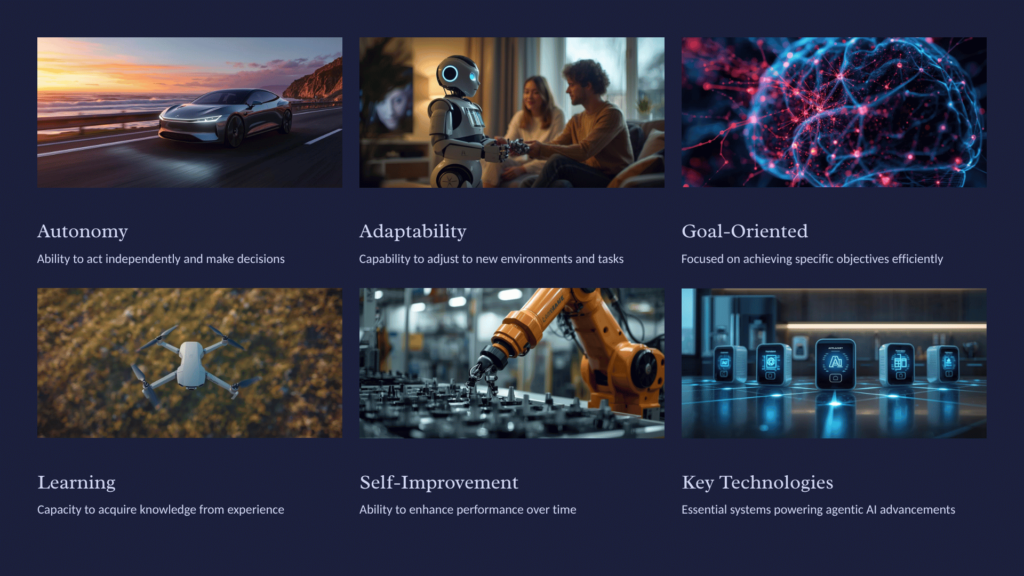
Alright, plain English: Agentic AI is AI that works independently. These systems don’t sit around waiting for commands—they observe what’s happening around them, think through what needs to happen, and then actually do it.

Think of them as goal-oriented digital workers that can:

  • Identify what needs to get done
  • Work out a game plan to make it happen
  • Execute the plan without supervision
  • Learn from how things went to improve next time

Generative AI is all about making stuff—write this article, create that image, code this feature. Agentic AI? It’s focused on actually getting things done and making decisions along the way.

Generative AI vs Agentic AI—What’s the Difference?

FeatureGenerative AIAgentic AI
What’s It For?Making content (articles, designs, code)Actually achieving goals independently
What Starts It?You give it a promptIt initiates stuff on its own
What You GetContent it createdReal actions and results
ExampleChatGPT writes your blog postAI agent writes the post, schedules it, AND publishes it

How Does Agentic AI Actually Work Behind the Scenes?

  • Agentic AI goes through this cycle that honestly mirrors how our brains work—just faster and without coffee breaks.
  • Perception: First, it’s gathering information from everywhere—APIs, what users are doing, live data feeds, whatever’s relevant.
  • Reasoning: Then it uses self-learning AI models to understand the goal and figure out the smartest approach. Not just any approach—the best one based on what it knows.
  • Planning: It maps out all the steps needed. Like a mental checklist, but way more detailed.
  • Action: Here’s where rubber meets road. It actually does the work—sends those emails, adjusts the budget, deploys that code update.
  • Feedback Loop: After everything’s done, it looks at the results. What worked? What didn’t? And it remembers for next time.
  • That’s what makes agent-based artificial intelligence so powerful—it’s constantly learning from its own experience in this closed loop. Gets sharper every single time.

2025’s Seeing a Major Push in Agentic AI Development

The tech giants aren’t messing around with this stuff. They’re investing serious money into Agentic AI right now.

  • Google’s Project Astra is working on these multimodal AI agents that can think and operate across multiple platforms at once. Pretty ambitious.
  • Microsoft Copilot started as a helpful assistant, but it’s evolving into something that can actually handle complete workflows from beginning to end without you stepping in.
  • OpenAI’s testing these AI Agent APIs that let the AI do real-world tasks for you—booking meetings, managing your whole workflow, all that stuff.

We’re watching a fundamental shift happen. Moving away from AI-powered automation tools that need oversight to fully autonomous AI ecosystems that can transform how entire industries operate. It’s happening faster than most people realize.

Where Agentic AI’s Actually Being Used Right Now

Don’t just take my word for it—let’s look at what autonomous AI systems are already doing across different fields in 2025:

1. Customer Support That Actually Works

Agentic AI handles customer questions, processes refunds, escalates the complicated stuff to humans when needed—all without anyone supervising it. Response times are way faster, and customers are actually happier.

2. Financial Trading Gets Smarter

Autonomous agents are analyzing market data in real-time, executing trades, managing entire portfolios with predictive algorithms. Less emotional decision-making, fewer costly mistakes from human error.

3. Marketing That Adapts on the Fly

AI agents 2025 are creating whole marketing campaigns, tracking how people respond, and tweaking strategies using self-learning AI models that respond to what audiences are actually doing—not what we think they’re doing.

4. Healthcare’s Getting More Precise

AI-driven agents are helping diagnose conditions, continuously monitoring patient vitals, suggesting personalized treatment plans. Doctors get better data, patients get better care, and the healthcare system runs more smoothly.

5. IT That Fixes Itself

In DevOps, agent-based artificial intelligence handles predictive maintenance (fixing problems before they happen), automates code deployment, optimizes systems—all the tedious stuff that used to require constant human attention.

Why Businesses Should Actually Care About This

Adopting Agentic AI isn’t just trendy—it brings real, measurable benefits:

You Get More Done, Faster: AI agents work 24/7 on repetitive tasks without needing breaks or getting tired. No overtime pay either.

Less Babysitting Required: Autonomous workflows mean you’re spending way less on labor for routine tasks while getting more output.

Better Decisions, Quicker: AI decision-making systems process massive amounts of data in seconds to make accurate calls that would take humans hours or days.

People Do What They’re Good At: With human-AI collaboration, people can focus on the creative and strategic thinking while AI handles execution. Everyone plays to their strengths.

It Gets Better Over Time: Thanks to self-learning AI models, these systems don’t stay static—they keep improving based on experience.

Bottom line: Agentic AI enables real AI transformation in business. You’re not just automating tasks anymore—you’re building intelligent autonomy into your operations.

The Challenges We Can’t Just Ignore

Look, Agentic AI is powerful, but it comes with some serious ethical implications and governance challenges we need to face head-on.

1. Who’s Responsible When Things Go Wrong?

If an AI agent screws up or causes harm, who takes the fall? The developer who built it? The company that deployed it? The user who set it loose? Not a simple answer.

2. Bias Amplification Is Real

Intelligent autonomous agents trained on biased data don’t just carry that bias forward—they can actually make it worse. That’s a problem we can’t ignore.

3. Security Vulnerabilities Multiply

Autonomous AI systems connected to the internet are vulnerable to cyberattacks. And if they’re making important decisions, a breach could be catastrophic.

4. The Black Box Problem

People need to understand how and why an AI agent made a particular decision. Without transparency, trust disappears, and regulatory compliance becomes impossible.

5. We Need Real Governance

Strong AI ethics and governance policies aren’t optional—they’re absolutely necessary for responsible AI development and deployment. Companies can’t self-regulate their way out of this.

Human-AI Collaboration: That’s Actually the Goal

What’s Coming Down the Pipeline in 2025

Gartner and McKinsey recently put out some reports with pretty eye-opening predictions for late 2025:

  • Over 45% of enterprise workflows will involve autonomous AI systems in some capacity
  • AI agents 2025 will handle close to half of all repetitive office tasks
  • Agent-based artificial intelligence becomes critical infrastructure in logistics, finance, education—not optional anymore
  • Governments worldwide will prioritize AI ethics and governance as they roll out new regulations around AI autonomy

These AI trends 2025 show we’re heading toward widespread automation—but hopefully with accountability baked in from the start. Responsible AI development has to be the foundation, not an afterthought.

Sustainability Matters Too

As AI adoption explodes, we can’t pretend the environmental impact doesn’t exist. Agentic AI requires enormous computational power, which means developing green AI frameworks isn’t just nice to have—it’s essential.

Tech companies are exploring energy-efficient data centers, working on carbon-neutral training models, and pushing responsible AI development practices that actually reduce automation’s environmental footprint. About time, honestly.

Conclusion: Autonomy Needs Responsibility

Moving from Generative AI to Agentic AI marks a genuine turning point in how we interact with technology.

We’re going from systems that react to what we tell them to systems that think independently, plan strategically, and act autonomously.

But here’s the real talk: autonomy without accountability is dangerous. The future of Agentic AI depends entirely on building ethical, transparent, and collaborative systems that enhance what humans can do—not replace human judgment or override human values.

Agentic AI doesn’t mean losing human control. It means building intelligent partnerships between humans and machines.

Organizations that embrace this responsibly in 2025 will lead the next wave of AI-powered transformation. Not because they deployed the fanciest technology, but because they figured out how to make humans and machines work together effectively—as partners with complementary strengths, not competitors fighting for control What Is Agentic AI? The Future of Autonomous AI Systems (2025 Guide).

Read More
What Is Data Science A Complete Beginner's Guide for 2025

What Is Data Science? A Complete Beginner’s Guide for 2025

Introduction: Understanding the Power of Data in 2025

What Is Data Science? A Complete Beginner’s Guide for 2025 , You know how everyone says “data is the new oil”? Well, they’re not wrong. Every time you scroll through Instagram, shop online, or even check the weather, you’re creating data. Data Science Mountains of it. And in 2025, that data isn’t just sitting around—it’s being turned into something incredibly valuable.

But here’s the thing: raw data alone doesn’t mean much. It’s like having all the ingredients for a cake but no recipe. That’s where data science comes into play.

So, what is data science exactly? Think of it as detective work meets technology. Data science for beginners might sound intimidating, but at its core, it’s about digging through information, finding patterns, and using those discoveries to solve actual problems. Data Science You’re basically teaching computers to think smarter so businesses can make better choices.

And honestly? Whether you’re a college student trying to figure out your career path, someone stuck in a 9-to-5 looking for a change, or an entrepreneur wanting to understand your customers better—getting a grip on data science is becoming less of a “nice to have” and more of a “you really should know this.”

What Is Data Science? (Data Science Meaning)

Alright, let’s break down the data science meaning without getting too technical.

Imagine you run a coffee shop. You’ve got sales records, customer feedback, weather data, social media mentions—loads of random information scattered everywhere. Data science is the process of collecting all that messy stuff, cleaning it up, analyzing it, and then actually understanding what it tells you. Like, “Hey, people buy more iced lattes when it’s above 75 degrees” or “Instagram posts on Fridays drive more foot traffic.”

A Data Scientist (yes, that’s an actual job title) uses tools like statistics, programming, and machine learning to spot these patterns. They’re not just looking at what happened—they’re predicting what might happen next. That’s where things get really interesting.

Here’s the simplest way to think about it:

Data Science = Raw Data + Smart Algorithms + Useful Insights + Real Action

It’s not just about crunching numbers. It’s about turning those numbers into decisions that actually matter.

Importance of Data Science in 2025

Let me be real with you—the importance of data science in 2025 isn’t something companies are debating anymore. It’s basically survival mode now. Data Science If you’re not using data to make decisions, you’re already behind.

Here’s why data science matters so much right now:

Smarter Decisions, Not Gut Feelings
Gone are the days when CEOs could just “go with their gut.” Now, businesses use data-driven decision making to figure out what customers actually want, not what they think they want. It’s the difference between guessing and knowing.

Getting More Done with Less
Machine learning and automation aren’t just buzzwords—they’re saving companies serious time and money. Tasks that used to take weeks now happen in hours. That’s efficiency on steroids.

Personalization That Actually Works
Ever wonder how Netflix always knows what you want to watch next? Or how Amazon seems to read your mind? That’s artificial intelligence (AI) and data science working behind the scenes. They study your behavior and tailor everything to you.

Seeing the Future (Kind of)
Through predictive analytics, companies can forecast trends, stop fraud before it happens, and plan moves years in advance. It’s not magic—it’s math done really, really well.

Fun fact: According to a 2025 Garter report, companies that actually use data science are beating their competitors by more than 20% when it comes to getting things done efficiently. That’s not a small gap—that’s a massive advantage.

Types of Data Science

Not all data science is created equal. Depending on what you’re trying to accomplish, there are different flavors to choose from. Data Science Let’s walk through the main types of data science:

Descriptive Data Science – The “What Happened?” Type
This is where you look at past data and summarize it. Think dashboards, charts, reports—basically data visualization that tells you what already went down. Like reviewing last quarter’s sales to see which products flopped.

Diagnostic Data Science – The “Why Did It Happen?” Type
Now you’re digging deeper. You’re not just accepting that sales dropped—you’re figuring out why. Was it the price? Bad reviews? A competitor’s campaign? This involves correlation studies and root-cause analysis Data Science.

Predictive Data Science – The “What’s Going to Happen?” Type
Here’s where machine learning and AI really shine. You’re using historical data to predict future outcomes. Banks do this for credit scores. Retailers do this to forecast demand. It’s like having a crystal ball, except it’s backed by algorithms Data Science.

Prescriptive Data Science – The “What Should We Do?” Type
This is the most advanced level. Not only are you predicting the future, but you’re also recommending specific actions. Should we launch this product? Hire more staff? Change our pricing? Prescriptive data science gives you the game plan Data Science.

These types of data science often work together. You start by understanding what happened, figure out why, predict what’s next, and then decide your move. It’s a full cycle Data Science.

How Data Science Works (Step-by-Step)

Curious about how data science works? Let me walk you through it like you’re following a recipe Data Science.

Step 1: Data Collection
First, you gather data from everywhere—websites, apps, sensors, databases, customer surveys. The more sources, the better. But quantity without quality? Data Science That’s a problem.

Step 2: Data Cleaning
This is the unsexy part. You’re removing duplicates, fixing typos, filling in missing values. Data in the real world is messy. Really messy. Some experts say this step takes up 60-80% of the time. Not glamorous, but necessary.

Step 3: Data Analysis
Now you start exploring. What patterns exist? What’s connected to what? This is where tools like Python for data science come in handy. You’re basically interrogating the data until it confesses its secrets.

Step 4: Model Building
Here’s where the magic happens. You apply machine learning algorithms to build models that can make predictions. Think of it as training a super-smart assistant who learns from examples.

Step 5: Data Visualization
Numbers are boring. Charts and dashboards? Way more convincing. Tools like Power BI or Tableau help you turn complex findings into visuals that anyone can understand.

Step 6: Decision Making
Finally, you use everything you’ve learned to guide business intelligence strategies. Data Science This is where data science stops being theoretical and starts being practical.

That’s the whole process in a nutshell. What is data science and how does it work? It’s this cycle—repeated over and over, getting smarter each time.

Data Science Tools and Techniques (2025 Edition)

If you’re serious about learning data science, you need to know your tools. Here’s a breakdown of the best data science tools for beginners 2025:

Learning these data science tools and techniques might feel overwhelming at first, but here’s the truth: you don’t need to master them all at once. Start with Python and SQL, then expand from there. Baby steps still get you to the finish line.

Real-World Examples of Data Science in Action

Still not convinced? Let’s talk about some real-world examples of data science that you probably interact with every single day.

Netflix – Your Personal Binge-Watching Assistant
How does Netflix know you’ll love that new thriller? Predictive analytics. They track what you watch, when you pause, what you rewatch—and use that to recommend shows. It’s creepy accurate because the algorithm knows you better than you know yourself.

Amazon – Shopping Made Scarily Easy
Ever notice how Amazon suggests products you didn’t even know you needed? That’s big data combined with AI. They analyze millions of purchases, reviews, and browsing habits to personalize your entire shopping experience.

Healthcare – Saving Lives with Data
Hospitals are now using data science to predict disease outbreaks, improve diagnoses, and even personalize treatment plans. During COVID-19, data models helped track spread patterns and allocate resources.

Finance – Catching Fraudsters Red-Handed
Banks use machine learning to detect fraud in real time. If your card suddenly gets swiped in another country, the system flags it immediately. That’s data science protecting your money 24/7.

Marketing – Ads That Actually Work
Brands analyze social media behavior, website clicks, and engagement metrics to fine-tune their campaigns. That ad you saw five times? Yeah, data science decided you were the perfect target.

These applications of data science show just how embedded this field is in our daily lives. It’s not some futuristic concept—it’s happening right now Data Science.

Data Science Career Path for Beginners in 2025

So maybe now you’re thinking, “This sounds cool. Can I actually do this?” Data Science The answer is yes. Here’s your data science career path for beginners:

Step 1: Learn the Basics
Start with what are the basics of data science—statistics, basic programming (especially Python), and understanding how data analysis works. Don’t skip the fundamentals.

Step 2: Practice with Real Projects
Theory only gets you so far. Grab free datasets from sites like Kaggle and start building small projects. Analyze movie ratings, predict housing prices, whatever interests you.

Step 3: Master the Tools
Get comfortable with Python for data science, SQL for databases, and visualization tools like Tableau. These are your bread and butter.

Step 4: Pick a Specialization
Data science is broad. Do you want to focus on AI, machine learning, business intelligence, or something else? Find your niche.

Step 5: Get Certified
Platforms like Coursera, Google, and IBM offer certifications that employers actually recognize. They’re not mandatory, but they definitely help.

Step 6: Build a Portfolio
Create a GitHub profile or Kaggle account and showcase your work. Recruiters want to see what you can do, not just what courses you’ve taken.

Following this roadmap won’t make you an expert overnight, but it’ll put you on the right track. And honestly? The demand for data scientists in 2025 is so high that even entry-level roles are paying well.

How to Learn Data Science in 2025

Wondering how to learn data science in 2025? Data Science The good news is you don’t need a fancy degree to get started. Here’s how people are doing it:

Online Courses Are Your Best Friend
Platforms like Coursera, edX, and Udemy have structured paths specifically designed for beginners. Data ScienceYou can learn at your own pace, often for free or cheap.

YouTube Is Underrated
Channels like Krish Naik, Ken Jee, and StatQuest break down complex topics into bite-sized videos. Sometimes a 10-minute explanation beats a 3-hour lecture.

Join Communities (Seriously, Do It)
Platforms like Kaggle, Reddit, and Discord have active data science communities. You can ask questions, share projects, and learn from people who’ve been where you are.

Work on Real Case Studies
Analyze COVID-19 trends. Study eCommerce sales patterns. Pick something you’re curious about and dive deep. The best way to learn is by doing.

Stay Updated
Data science evolves fast. Follow industry blogs, subscribe to newsletters, and keep an eye on new tools and techniques. What’s hot today might be outdated in six months.

Here’s the truth: consistency beats intensity. Spending 30 minutes daily learning data science will get you further than cramming for 8 hours once a week.

Benefits of Learning Data Science in 2025

Still on the fence? Let me give you some solid reasons why learning data science is one of the smartest moves you can make right now.

High Demand = High Pay
Data scientists are consistently ranked among the highest-paying tech jobs globally. Data Science We’re talking six-figure salaries, even for mid-level roles. The demand is insane.

It’s Incredibly Versatile
Data science skills apply everywhere—healthcare, finance, marketing, entertainment, sports, government. Name an industry, and they need data people.

You Become a Better Problem Solver
Learning data science trains you to think critically and make decisions based on evidence, not emotions. That’s a skill that translates to literally everything in life.

Future-Proof Your Career
With AI and automation on the rise, jobs are changing. But data science? That’s only getting bigger. Learning it now is like investing early in the stock market.

The benefits of learning data science in 2025 go way beyond the paycheck. It’s about staying relevant in a world that’s increasingly powered by data-driven decision making.

Difference Between Data Science and Data Analytics

A lot of beginners get confused here, so let’s clear it up: Data Science and Data Analytics are related, but they’re not the same thing.

FeatureData ScienceData AnalyticsFocusBuilding predictive models, discovering new insightsExploring and summarizing existing dataToolsPython, TensorFlow, R, advanced ML frameworksExcel, Power BI, SQL, basic stats toolsGoalPredict the future, uncover hidden patternsAnswer specific questions, explain what happenedScopeBroad (includes AI, ML, Big Data)Narrower (mostly descriptive analysis)

In short, Data Analytics is like reading the story that’s already been written. Data Science is about predicting how the story ends—and maybe even changing the ending. Data Science is deeper, more technical, and involves machine learning and AI Data Science, while Data Analytics is more about interpreting data to support decisions.

FAQs: Data Science for Beginners

Q1. What is data science and how does it work?
It’s the practice of extracting insights from raw data using statistics, programming, AI, and machine learning. You collect data, clean it, analyze it, build models, and use the results to make smarter decisions.

Q2. What are the basics of data science?
You need to understand statistics, learn a programming language (Python is most popular), get familiar with data visualization, and understand business intelligence concepts.

Q3. How to learn data science in 2025?
Start with online courses, practice with real projects, join communities, and stay consistent. You don’t need a degree—just curiosity and dedication Data Science .

Q4. What are the best data science tools for beginners 2025?
Python, Power BI, Tableau, TensorFlow, Scikit-learn, and SQL are the top picks. Master these and you’re golden.

Q5. What’s the difference between data science and data analytics?
Data Science includes predictive modeling, machine learning, and AI. Data Analytics focuses more on descriptive insights and answering specific business questions.

Conclusion

Here’s the bottom line: in 2025, data science isn’t just a trendy buzzword—it’s essential. From scrappy startups to Fortune 500 giants, every company is leaning on data-driven decision making to grow, compete, and innovate What Is Data Science? A Complete Beginner’s Guide for 2025 .

Read More
Top 7 Online Jobs That Pay Real Money from Home in 2025

Top 7 Online Jobs That Pay Real Money from Home in 2025

Top 7 Online Jobs That Pay Real Money from Home in 2025 , online jobs that pay real money have become a reliable way to earn from home, achieve financial freedom and work on their own premises. With the growth of platforms such as external work and upwork, Fiveer and Amazon, discovering valid online jobs that pay actual money has never been easy. Whether you are a student, housewife or professional, these opportunities allow you to flexible when creating a permanent income.

Introduction: Why Online Jobs Are the Future of Work

Top 7 Online Jobs That Pay Real Money from Home in 2025 , In 2025, making money on the web only exceeds one side of the opposite – it is a viable way to make a career, achieve financial freedom and work on their own terms. With the progress of technology, an increase in internet penetration and the increase in distance work culture, online jobs that pay real money are no longer rare or incredible.

Whether you are a student, housewife or a person provides the opportunity to avoid 9-to-5 pieces, to work from home and earn a permanent income Online Jobs That Pay Real Money from Home.

People from all over the world are searching for the benefits of online working from home. No commuting, no office policy and flexible hours make these jobs very attractive. In addition, with the increase of platforms such as Upwork, Fivor and Amazon, it has become easier to find well-paid legal online jobs that pay real money.

Although many believe that serving online is just a dream, the truth is that there are countless ways to make money online if you know where to start. The key is to focus on legitimate opportunities and avoid fraud, which is still present at the online job place Online Jobs That Pay Real Money from Home .

By choosing the right path, you can enjoy the benefits of distant jobs that pay well and gradually form several revenue streams.

This guide will drive you through the 7 best online jobs that pay real money from home, as well as with action-rich tips, resources and examples to start earning in 2025.

What Are Online Jobs That Pay Real Money?

Online jobs that pay actual money refers to the work you can fully on the Internet and provide legitimate compensation in exchange for your skills, time or services. Unlike traditional office jobs, these roles often allow you to work anywhere – your living room, a coffee shop or even while traveling.

There are many types of online jobs that pay real money, including freelance work, virtual assistance, teaching, digital marketing and online business companies. The usual factor among them is that they provide an opportunity to make money online without the physical office.

However, with an increase in distance opportunities, it is important to focus on legal online jobs that pay real money. Many scams promise high income with low effort, but actual online jobs require skills, stability and effort. Platforms such as Upwork, Fiver and LinkedIn can help you find confirmed work from home jobs that actually pay.

Understanding if a job does “legitimate” and coordinate it with the skills and interests, you can start building a reliable online revenue flow. Whether it is freelance of time or a full-time remote job that pays well, it is a place for everyone in the online economy.

How to Choose the Right Online Job

It is important to choose the right online jobs that pay real money to ensure both satisfaction and sustainable income. To decide here:

Evaluate your skills: Are you good at writing, teaching, designing, coding or marketing? Each skill set is in line with separate online jobs from home.

Consider revenue capacity: Some online roles, such as associated marketing or freelance writing, may increase in careers with high payment, while others can provide less supplements.

Check the validity: Do examining before joining a platform or applying for an opportunity. To secure jobs, look at reviews, admirers and payments that the job is among legal online jobs that pay real money.

Consider flexibility: Some online jobs provide flexible plan, while others require a certain hour. Choose based on your availability and lifestyle.

Long-term development: Think about whether the online job that pays real money can be measured with your skills. Distance jobs that pay well often have development paths through a certificate, experience or customer expansion Online Jobs That Pay Real Money from Home .

By evaluating these factors carefully, you can choose online jobs that pay real money and avoid wasting time at low payments or illegal occasions.

Top 7 Online Jobs That Pay Real Money from Home

1. Freelance Writing

Freelance writing is one of the most available online jobs that pay real money. Platforms such as Upwork, Fivor and Freelancer let authors find customers all over the world.

Important skills: Good command of language, research skills and creativity.

Revenue: Can earn an initial $10-$50 per article; Experienced authors earn $100-$500+ per piece.

Tip: Build a portfolio, specialist in niches (eg technique, finance or health) and frequent pitch.

Freelance writing is perfect for those who like to express ideas through words and want to make money online without heavy investments.

2. Virtual Assistant (VA)

Virtual assistants provide external administrative help, such as managing e-mail, planning or dealing with social media.

Platforms: Belle, time etc., zartual

Important skills: Organization, communication and basic computer knowledge.

Earnings: $10-$30 per hour depending on tasks and experiences.

VA work is one of the most sought after work from home jobs, and offers both flexibility and a stable revenue flow.

3. Online Teaching

With the development of e-learning, online teaching has exploded. You can learn topics where you are skilled, including school subjects for professional skills.

Platforms: Cheg, Vedantu, Preali

Earnings: $10-$40 per hour on the basis of professional expertise.

This is a reliable way to make money online, share knowledge with students globally.

4. Associated Marketing

Associated marketing involves marketing products and earning a commission for each sale through the referral link.

Platforms: Amazon Associates, Clickbank, Shareasale

Important skills: Marketing, SEO, material building

Income: Very varying, $50/month to successful abolition from $5000+/month

Associated marketing is a powerful option for those looking for online jobs that pay real money.

5. Transcript Jobs

Transcriptionists convert sound to lesson, which is in demand in medical, legal and general areas.

Platforms: Rev, TransgyBeme, Gotranscript

Skills required: Quick writing, listening skills, pay attention to details

Earnings: $15-$25/T for beginners

This is a great job of homework that requires minimal investments and can arise on a scale of experience.

6. Leadership on Social Media

Companies require leaders in social media to handle material, commitment and development.

Platforms: Direct client, Fivor, Upwork

Skill required: Marketing of social media, creativity, analysis

Earnings: $200-$2000/month per customer

This is one of the most attractive distance jobs that pay well, especially if you manage many customers.

7. Online Sales / E-Commerce

Selling online products, whether physical or digital, has exploded as a way of making money online.

Platforms: Etsy, Shopify, Amazon FBA

Skills required: Marketing, Product Research, Customer Service

Revenue: Varies a lot but the top seller can earn $5000-$20,000/month

E-commerce provides long-term development and capacity for passive revenue streams.

Common Questions: Online Jobs Paying Real Money

Q1: Is online jobs really valid?
A: Yes, many online jobs that pay real money are completely valid. Platforms such as Upwork, Fiver and Chegg provide confirmed opportunities for freelancers, supervisors and distance workers. Research on stage, read reviews and avoid suggestions that promise unusually high income with less work. Legal online jobs that pay real money pay actual money for real skills and efforts Top 7 Online Jobs That Pay Real Money from Home in 2025 ` .

Q2: How much money can I make with online working from home?
A: Revenue varies depending on your skill, experience and type of job. For example, freelance writing or virtual auxiliary roles can begin at $10-$20/hour, while successful associated surfaces or e-commerce suppliers can earn thousands per month. Consistency and skill improvement are important to maximize revenue.

Q3: Which web jobs are best for beginners?
A: Can begin with early freelance writing, virtual auxiliary roles, transcription or online teaching. These jobs require minimal investments and are relatively easy to start, providing a route for more advanced online jobs that pay real money as you gain experience.

Q4: Do I need special equipment to work from home?
A: Most online jobs that pay real money require a reliable computer, stable internet connection and sometimes a headset or microphone for communication. For specific jobs such as graphic design or video editing, you may need special software. But many home job tasks only require basic equipment to start.

Q5: Can I earn full-time revenue from online jobs?
A: Absolutely. Many people all over the world earn full-time revenue from online freelance, e-commerce, administration of social media or teaching. Key skills are focused on development, selected distant jobs that pay well, and create more income streams to ensure stability.

Q6: How do I avoid fraud in search of online jobs?
A: Avoid jobs that ask for advance fees or law extremely high pay for minimal efforts. Stick to reliable platforms, read reviews and verify the client profile before starting work. Always remember that legal online jobs that pay real money pay for their time and skills, not to participate in any program.

Q7: Which platforms are the best for finding online jobs from home?
A: Some top platforms include:

  • Freelancing: Upwork, Fivor, Freelancer
  • Guidance: Cheg, Vedantu, Preali
  • Virtual help: Belle, time etc.
  • Transcription: Rev, Transgyibeme
  • Associated marketing / e-commerce: Amazon, Clickbank, Etsy, Shopify

Using these platforms helps you access online jobs that pay real money safely and efficiently Top 7 Online Jobs That Pay Real Money from Home in 2025 .

Read More
Top 10 Cryptocurrencies to See This Year

Top 10 Cryptocurrencies to See This Year

Top 10 Cryptocurrencies to See This Year, Cryptocurrency has become one of the most talked about economic subjects in recent years. With more people developing blockchain technology and using digital assets, it may be important to invest in the right cryptocurrency. But with thousands of coins in the market, what people should you keep an eye on?

In this blog we will discover the top 10 cryptocurrencies to see this year, and both will help early and experienced investors to make informed decisions.

1. Bitcoin (BTC)

Bitcoin is the original cryptocurrency and still dominates the market. Bitcoin, known as digital gold, has maintained its position as the most recognized and reliable crypto property.

See why BTC:

  • Price store: Many investors look at Bitcoin as a defense against inflation.
  • Institutional Adoption: Companies such as Tesla and Big Bank invest in Bitcoin.
  • Market dominance: BTC often affects the price movements of other cryptocurrencies.
  • Recent trends: Bitcoin has seen an increase in mainstream finance, and the crypto is still a goal for the market.

2. Ethereum (ETH)

Ethereum is more than a cryptocurrency—it’s a blockchain platform for decentralized applications (Dapps). Its original symbols, eths, power smart contracts, and DeFi projects.

Why see Ath:

  • Smart contracts: Ethereum is the backbone of many DeFi projects and NFTs.
  • Ethereum 2.0 upgrade: Infection in proof-of-states reduces energy consumption and improves scalability.
  • Developer Community: Crypto is the largest developer’s Ethereum ecosystem.
  • Recent trends: Ethereum NFT and DeFi continue to lead in space, making it an important crypto to see.

3. Binance Coin (BNB)

Binance Coin is the native cryptocurrency of Binance Exchange, one of the largest crypto exchanges globally. BNB is used for discounts, staking, more trade fees, staking, and more.

Why see BNB:

  • Exchange Utility: Discount and prices on the bin platform.
  • Binance Smart Chain: A rapidly growing DeFi and DApps ecosystem.
  • Strong adoption: BNB has many issues about the real world, including travel, games, and payment.
  • Recent trends: BNB has maintained a strong appearance in both exchange-based and blockchain use applications.

4. Cardano (Ada)

Cardano is an evidence-based blockchain known for its research-driven development method. It focuses on scalability, safety, and stability.

Why see Ada:

  • Educational approach: Colleague-review blockchain development.
  • Smart contracts: Recently launched smart contract options make it possible to create developers at Cardano.
  • Environmental efficiency: Cardano uses less energy than proof-of-work blockchain.
  • Recent trends: Cardano’s network growth and participation in emerging markets make it a promising long-term investment.

5. Solana (soul)

Solana is a high-performance blockchain designed for speed and low transaction costs. This has attracted attention to support NFT and DeFi applications.

Why see SOL:

  • Fast and cheap transactions: Solana can handle thousands of transactions per second.
  • Growing ecosystem: Developers create apps for games, DeFi, and NFTs.
  • Scalability: Solana’s network has a lot of accommodation.
  • Recent trends: Solana continues to attract developers and investors due to its speed and strength.

6. Polkadot (DOT)

Polkadot is a multi-chain network that allows different blockchains to add and share information.

Why see DOT:

  • Interoperability: Enables spontaneous communication between many blocks.
  • Scalability: Supports several parallel chains (Parashen).
  • Governance: Token holders have voting power for upgrading protocol.
  • Recent trends: The Parachain Auction of Polkadot and the growth of the ecosystem create new opportunities in decentralized finance and cross-chain applications.

7. Ripple (XRP)

Ripple has focused on cross-border payments and established partnerships with banks and financial institutions worldwide.

Why see XRP:

  • Fast transactions: Ripple enables the nearest international payments.
  • Banking: Strong adoption between financial institutions.
  • Legal progress: The resolution of its legal battles can affect the value positively.
  • Recent trends: XRP is still relevant due to its benefit in the traditional financial system, which makes it a careful coin to see.

8. Avalanche

Avalanche is a platform for decentralized applications and enterprise blockchain solutions. It is known for speed, low costs, and scalability.

Why see Avax:

  • High Throughput: Thousands of transactions per second.
  • DeFi Growth: Avalanche is hosting several DeFi and NFT projects.
  • Environmentally friendly: Uses proofreading for agreement.
  • Recent trends: Avalanche uses both DeFi and enterprise blockchain applications, making it a competitive Ethereum option.

9. Chenlink (link)

Chainlink is a decentralized oracle network that combines smart contracts with the real world.

Why see links:

  • Data integration: Bridge on Signalen smart contracts with external data.
  • Partnership: Chenlink is integrated into several DeFi platforms.
  • Unique case: Smart contracts are important for functionality and reliability.
  • Recent trends: As DeFi grows, the demand for Chainlink increases for accurate and secure computer feeds.

10. Dogecoin (Dogo)

Dogecoin started as a meme coin but has gained great-scale popularity for its society and celebrity approval.

Why see a dog:

  • High visibility: supported by affected companies such as Tesla.
  • Community-powered: Strong presence on social media.
  • Use cases: quickly accepted for online payment and tipping.
  • Recent trends: Dogecoin remains unstable but continues to pay attention to and adopt the mainstream.

Conclusion

The cryptocurrency market is very dynamic, and it is important to be informed. Bitcoin and the columns of the Ethereum industry remain, while altcoins, such as Solana, Polkadot, and Cardano, offer exciting opportunities for development. Other coins, such as XRP, Avalanche, and Chainlink, bring utility and innovation to the space, while Dogecoin shows the power of community and social impact.

Investment in crypto requires research, patience, and risk management. Given these 10 best cryptocurrencies this year, it can help you identify trends, understand market dynamics, and potentially make profitable investment decisions.

Q1. What is the safest cryptocurrency to invest in?

A1. Bitcoin (BTC) is considered to be the safest cryptocurrency because of its long history, widespread adoption, and market dominance. Ethereum (ETH) is also relatively safe due to the strong developer ecosystem and practical applications.

Q2. Which cryptocurrency has the highest development capacity this year?

A2. ALTs such as Solana (SOL), Cardano (ADA), and Avalanche (AWAC) show their speed, scalability, and high growth function due to adoption in DeFi and NFT projects.

Q3. Should beginners invest in cryptocurrency?

A3. Yes, but only in careful research and small quantities. Beginners should start with reliable coins such as Bitcoin and Ethereum, basically avoid risky meme coins, and always bring diversity into investments.

Q4. How do I choose which cryptocurrency I should invest in?

A4. Like looking at factors:

  • Use matters (real tools)
  • Developer activity and ecosystem growth
  • Market development and adopted eclipse
  • Risk versus reward balance

Q5. What role does Ethereum 2.0 play in crypto investment?

A5. Ethereum 2.0 makes ETH more energy-capable, sharp, and scalable. This upgrade strengthens the position of Ethereumas the backbone of decentralized finance (DeFi) and NFTs, making it a top option for investors in the long term.

Q6. Why is Dogecoin still popular?

A6. Dogecoin is fueled by strong social support and celebrity approval (e.g., Musk) and increases the approval for payment. Despite the instability, the popularity shows the social side of crypto investment.

Q7. What does Polkadot (DOT) do differently from other blockchains?

A7. Polkadot focuses on interoperability, allowing more blockchains to connect and share data. This makes the biggest challenges with the crypto unique when it comes to solving one of the cross-chain communications.

https://jioskill.com/agentic-ai-ai-powered-agents-the-next-big-shift-in-work-and-technology/https://codexon.in/blog/

https://jioskill.com/cloud-computing-explained-benefits-risks-and-real-world-use-cases/

Read More
In 2025, what can we anticipate from influencer marketing?

In 2025, what can we anticipate from influencer marketing?

Influencer marketing has grown to be a potent tool for organizations looking to engage with their audience in the ever-changing realm of digital marketing. But what lies ahead for this vibrant and quickly expanding sector? With 2025 rapidly approaching, it’s critical to investigate the future of influencer marketing and how companies can adjust to the shifting environment.
Will influencer marketing remain the dominant force it is now, or will some revolutionary changes soon be taking place? Let’s explore influencer marketing’s future and see what comes next.

The Development of Nano and Micro-Influencers-
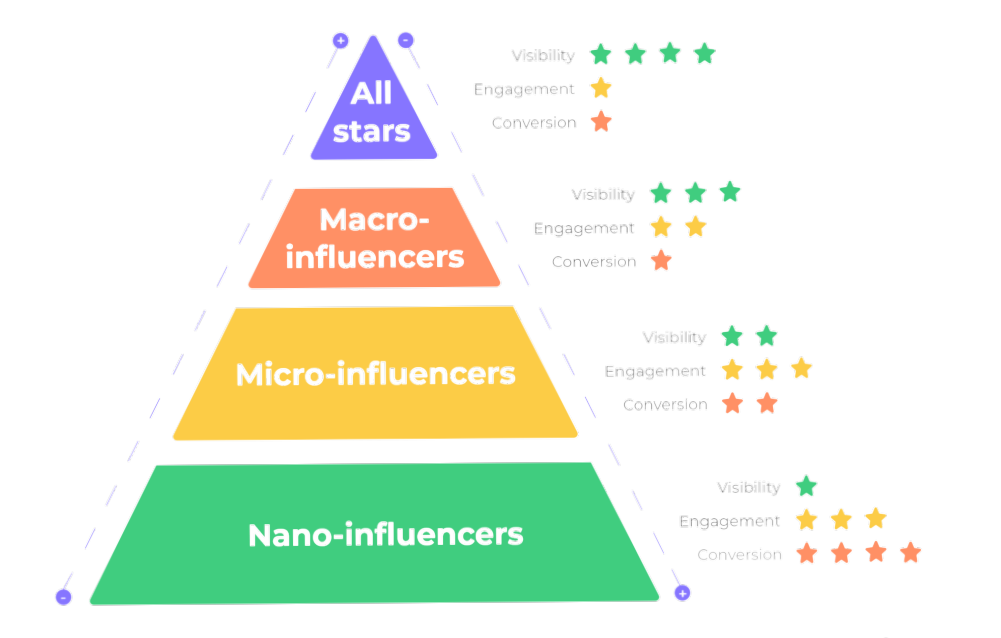
The emergence of micro and nano-influencers is one of the most prominent developments in the ongoing development of influencer marketing. Smaller influencers are becoming increasingly popular, even as well-known influencers with millions of followers continue to rule the scene. Brands are growing interested in micro-influencers, or those with 10,000–100,000 followers, and nano-influencers, or those with fewer than 10,000 followers.

Why? Due to the fact that these influencers provide their viewers with more genuine relationships. Their recommendations are seen as more sincere, and their followers are typically more involved. Actually, studies indicate that audiences are more inclined to believe recommendations from lesser influencers than from those with greater clout. Brands should anticipate refocusing on these micro and nano-influencers in 2025 in order to use a more individualized and successful marketing strategy.
Additionally, this move will affect how brands use their marketing funds. Instead of investing heavily in a single celebrity influencer, firms could choose to use a wider range of smaller influencers to market their goods in different markets. Authenticity is key, and these influencers are excellent at fostering trust in their groups.

Combining Data-Driven Insights with Artificial Intelligence
By 2025, combining artificial intelligence (AI) with data-driven insights will be one of the biggest developments in influencer marketing. Although AI has already begun to be used in evaluating the success of influencer efforts, its potential is anticipated to grow significantly over the next several years.
Consider having artificial intelligence (AI) capabilities that can forecast a campaign’s success before it even launches. AI will assist marketers in making data-driven choices that optimize their return on investment by examining trends, audience behavior, and previous campaign results. Instead of relying solely on follower or engagement numbers, brands would be able to use comprehensive analytics to choose the ideal influencer for their campaigns.

The Function of Online Influencers
Digital characters made with artificial intelligence and computer-generated imagery (CGI) are known as virtual influencers. Despite being relatively young, they are becoming more and more prevalent in the marketing industry. By providing a fresh, creative approach to audience engagement, these virtual characters have the potential to completely transform the influencer marketing sector.

As technology advances, we anticipate seeing more brands use virtual influencers in 2025. In order to prevent conflicts of interest or misalignments, these digital influencers can be precisely matched to a brand’s messaging. Additionally, unlike human influencers, virtual influencers are not subject to the same restrictions. Because they don’t have to eat, sleep, or worry about personal matters, they are a dependable and consistent brand partner.
Additionally, virtual influencers offer a fresh degree of originality. Every element of a digital influencer’s profile, including look, demeanor, and even behavior, may be created and managed by brands. Flexibility opens up new possibilities for brand storytelling and engagement.

Influencers as Content Creators and Entrepreneurs

In 2025, influencers will no longer just be seen as brand ambassadors—they will become content creators and entrepreneurs in their own right. Many influencers have already begun to expand their personal brands into businesses, launching everything from product lines to online courses. This trend is only expected to grow in the coming years.

With the tools available to them, influencers will have the ability to create, produce, and sell their own content without relying on traditional platforms or third-party companies. Whether it’s launching a subscription-based platform for exclusive content, creating their own merchandise, or offering consulting services, influencers will take on more entrepreneurial roles.

This shift also benefits brands. By partnering with influencers who have established businesses or personal brands, companies will be able to tap into an even larger and more engaged audience. In turn, influencers will enjoy more control over their income streams and greater opportunities for diversification.

The Importance of Authenticity and Transparency

As influencer marketing continues to grow, authenticity and transparency will become even more important. In the past, influencer marketing has faced scrutiny over issues such as fake followers, undisclosed paid promotions, and lack of transparency in brand partnerships. By 2025, the demand for genuine, trustworthy content will be more pronounced than ever.

Audiences are becoming more savvy and can easily spot inauthentic content. They crave real stories, honest reviews, and a sense of connection with the influencers they follow. In response, brands and influencers will need to work together to maintain transparency in their campaigns. This means clearly disclosing paid partnerships and avoiding deceptive tactics like fake reviews or artificially inflated engagement rates.

The future of influencer marketing will rely on building trust with the audience. Those who prioritize authenticity and transparency will emerge as the most successful players in the industry.

The Development of Social Media Sites
Although YouTube, Instagram, and have long dominated the influencer marketing business, social media is always evolving. User behavior changes and new platforms appear. The platforms that influencers use to interact with their followers are probably going to change by 2025.
For instance, has already made a name for itself as a potent influencer marketing tool, especially with younger viewers. But more recent platforms, or perhaps the development of current ones, could change the game entirely. The key will be understanding where audiences are spending their time and how brands can leverage these platforms to reach them effectively.

In addition, the way users consume content is also evolving. Short-form video, live streaming, and interactive content are becoming more popular, while traditional long-form blog posts and static images may take a backseat. Influencers will need to adapt to these trends to stay relevant and maintain their influence.

Influencer Marketing’s Ascent in Emerging Sectors
Although influencer marketing has historically been linked to lifestyle, fashion, and beauty firms, its impact is expanding into other sectors. Influencer marketing is expected to spread into industries like healthcare, banking, and perhaps education by 2025.
Influencers could be very helpful in the healthcare industry, for example, in promoting wellness goods, mental health awareness, and healthy lifestyle choices. Influencers in the financial sector may also be able to explain difficult financial ideas and encourage prudent money management.
These sectors, which have historically used more traditional marketing strategies, are starting to see how effective influencer marketing is at connecting with younger, tech-savvy consumers. The outcome? A wider array of influencer marketing initiatives across different industries.

Video and Live Streaming as the Future of Content

Video content will continue to dominate the digital marketing landscape. In 2025, live streaming and interactive video formats will become even more integral to influencer marketing strategies. Platforms like Instagram Live, YouTube Live, and Live already allow influencers to engage with their audiences in real time, and this trend is expected to grow exponentially.

The ability to host live Q&A sessions, product launches, or behind-the-scenes content will provide influencers with more opportunities to connect with their followers. For brands, live streaming offers a unique way to showcase products, answer questions, and create a sense of urgency around limited-time offers.

As video continues to be a highly engaging medium, expect to see more brands and influencers focusing on creating high-quality video content that speaks to their audience’s interests, challenges, and desires.

The Impact of Regulations and Ethical Standards

As influencer marketing matures, it will face increased scrutiny from regulators and the public. In 2025, we can expect stricter regulations around advertising, disclosure, and influencer practices. Governments and industry bodies are already beginning to crack down on misleading practices, and this trend will only intensify.

Influencers will be required to adhere to more stringent guidelines when it comes to disclosing paid promotions, ensuring that their content is ethical, and avoiding any deceptive practices. Brands will need to be vigilant about ensuring that their partnerships are transparent and align with the latest regulations.

However, this increased regulation will also serve to clean up the industry, making it more professional and trustworthy in the long run. The influencers and brands who prioritize ethical practices will be the ones who thrive in the future.

In conclusion, influencer marketing has a bright future.
Influencer marketing has a very interesting future. The industry is expected to see substantial expansion and transformation in the coming years due to new technology, changing social media platforms, and a greater focus on authenticity. AI will assist brands in making more data-driven decisions, virtual influencers will create new creative opportunities, and micro-influencers will continue to gain prominence.
Influencers will simultaneously become more enterprising, and brands will prioritize authenticity and openness. The possibilities are unlimited as influencer marketing spreads into new sectors and new content formats, such as live streaming, gain prominence.

1.In 2025, will influencer marketing still be successful?


Indeed, but it’s changing.
Mega-celebrities are giving way to real, specialized creators. Higher levels of trust and engagement are being displayed by micro- and nano-influencers with 1,000–100,000 followers.

2.In 2025, which platforms will be most popular for influencer marketing?
Viral trends are still being driven by TikTok’s short-form video style. Instagram is still very popular, particularly with Reels and Stories. LinkedIn and YouTube Shorts are expanding quickly, particularly in professional and business-to-business markets. Adoption will differ, but Threads and other new platforms might gain popularity.

3.Will brands prioritize reach or authenticity?
Being genuine is winning.
Overly polished and “salesy” information is met with skepticism from audiences. By 2025, marketers will value relevant influencers who create genuine communities above those with a large following.

4. In 2025, how will ROI be calculated?

More important will be deeper metrics:Quality of engagement (not simply likes)

    • Conversion rates and click-through
    • Time devoted to content
    • Tracking emotion and brand lift
      Custom landing pages, discount codes, and affiliate links are being used by more brands to better track performance.

    5.How will technology and artificial intelligence affect influencer marketing?
    A large one. Anticipate:

      • Influencers created by AI (virtual people) are already appearing in Asia.
      • AI techniques to find the best creators for brands
      • Campaign management and performance statistics that are automated
        But the most important thing will still be human connection.
      Read More
      a Blog and Make Money

      A Comprehensive Guide on How to Launch a Blog and Make Money in India by 2025

      Have you ever wondered how people make a full-time income just by writing a blog? and Earn Money Do you dream of working from the comfort of your home, creating content about your passions, and getting paid for it? If yes, you’re in the right place! Blogging is a fantastic way to express yourself, share knowledge, and make money in the process. In this post, I’ll guide you step-by-step on how to start a blog and begin earning money in India. Ready to turn your ideas into income? Let’s dive in!

      Why Blogging is a Great Idea in 2025

      Blogging has become more than just a hobby; it’s a legitimate way to build a career. With the rise of digital marketing, e-commerce, and online businesses, bloggers can now earn money through multiple channels. The best part? You don’t need to be a technical expert or have a massive following to start. and Earn Money All you need is passion, consistency, and the right approach.

      In India, the digital space is growing rapidly, and so are opportunities for bloggers. Whether you’re passionate about food, travel, tech, personal finance, or lifestyle, there’s a niche for everyone. Blogging lets you turn your knowledge into a stream of income that can support you in the long run. Blog and Earn Money So, let’s break down how you can kickstart your blogging journey!

      1. Choose Your Blog Niche

      The first and foremost step in this journey is to select a niche. Basically, the niche is what you are concentrated on. It’s what your content is all about and what gets people to engage. Consider the subjects you enjoy writing about or that you are knowledgeable about. Popular niches in India include technology and gadgets: news about what’s new, gadget reviews, and tech tips.

      And on other captures: Food and recipes: Sharing recipes or restaurant reviews, exploring the cuisines of different regions. Travel: All things travel guides, experiences, and tips for travel in India or abroad.

      Fashion and beauty: trends, tips, and product reviews. Personal Finance: Tips on Savings, Investments, and Budgeting.

      Prospecting in a niche is important as it allows you to focus on the target segment. Instead of trying to cater to everyone’s needs, you can create a blog that communicates with those interested in your topic.

      2. Pick a Blog Name and Domain

      After you settle on your niche, the next step would be to name your blog. Your blog name needs to be catchy, memorable, and related to your niche. Once you’ve settled on the name, you need to claim a domain. The Indian domain names are .in, .com, or .co.in.

      You can buy a domain name through services such as GoDaddy, Bluehost, or Namecheap. Most of the hosting services also provide a free domain for the first year when you sign up for their plan.

      Do you have any pro tips that you can share? Do not use complex words or numbers. A name that is clear and easy to spell will assist in branding and make it less complicated for others to find your blog.

      3. Set Up Hosting for Your Blog

      As far as the initial steps of starting a blog, you’re going to need web hosting. Web hosting is like leasing a nook on the web that will be home to your blog. Hosting services are responsible for storing your blog’s files and serving them online. Bluehost, SiteGround, and Hostinger are some of the best hosting services in India.

      Most of the hosting providers have starter plans that would not break your bank. They also provide a one-click WordPress installation, which makes setting it up very easy. Factors such as website speed, uptime, customer support, and scalability should be considered when choosing a hosting plan.

      You can use free hosting options as well, such as Blogger or WordPress. limiting customization and not achieving the level of professionalism paid hosting can offer, like WordPress, Weebly, Squarespace, Wix, or GoDaddy.

      4. Importance of Installing WordPress and Selecting a Visual Template

      WordPress is the #1 blogging platform in the world, and for good reason. It’s simple, flexible, customizable, and easily adaptable for diverse requirements. This can be easily done with most hosting providers, providing one-click installations.

      After WordPress is installed, it is time to select a theme. A theme determines the way your blog looks and feels. You can select a theme that suits your style and niche from the thousands of free and premium options available.

      Make sure your theme is responsive to mobile devices. In light of India’s growing mobile internet usage, it’s critical that your work look excellent on smartphones.

      5. Produce Engaging Content

      The exciting part is about to begin: content creation! The core of your blog is this. Concentrate on producing excellent, captivating, and useful material for your audience. This little checklist will assist you in crafting engaging blog entries:

      Research Your Topic: Be sure to conduct research before writing an article. This guarantees that your content is reliable and educational.

      – Write in a Conversational, Friendly Tone: Try to write in a conversational tone, as though you were speaking to your reader. Your material becomes more interesting and relatable as a result.

      – Pay Attention to Readability: Divide lengthy passages into manageable paragraphs. To make your information easier to read, use bullet points, subheadings, and headings.

      Be Consistent: Make an effort to post on a regular basis, whether that means once a month or once a week. Maintaining consistency aids in audience growth.

      Your foundation is content generation. Visitors are more inclined to return and share your material if it is valuable.

      6. Advertise Your Blog

      Creating excellent content is only half the battle. The next step is to get it read. It is crucial to promote your site if you… The following tactics will assist you:

      Social Media Marketing: Use social media sites like Facebook, Instagram, Twitter, and LinkedIn to advertise your blog entries. To keep your audience interested, customize your posts for every platform.

      1. Search Engine Optimization (SEO): Make sure your blog entries are optimized for search engines so that they show up in search results when users look for related subjects. To raise your blog’s Google ranking, learn about link-building, on-page SEO, and keyword research.

      2. Email Marketing: Create an email list and provide your subscribers with frequent updates. One of the best ways to expand your list is to offer a freebie or ebook in return for email sign-ups.

      3. Guest Posting: Contribute to others in your field by writing guest posts. By doing this, you can expand your readership and increase backlinks to your site, both of which can boost SEO.

      Your blog will receive more traffic the more you advertise it. Additionally, increased traffic to your site means more opportunities to make money.

      7. Make Your Blog Profitable

      Making money is the ultimate aim of blogging. Although it requires time and work, monetizing your blog and earning a consistent income is completely feasible. and Earn Money, In India, the following are some well-liked methods for making money via blogging:

      1. AdSense by Google

      One well-known advertising platform that lets you run ads on your blog is Google AdSense. You get paid when people click on the advertisements. You must have a blog with quality material, a tidy layout, and enough traffic in order to be eligible for AdSense. Once your site begins to receive regular traffic, AdSense can be a fantastic passive income source.

      2. Partnership Promotion

      Promoting goods and services while receiving a commission for each sale made via your referral link is known as affiliate marketing. You can sign up for affiliate programs such as Commission Junction, Flipkart Affiliate, or Amazon Associates. Provide product evaluations, advice, or guides along with your affiliate links. A commission is paid to you when a purchase is made via your link.

      3. Posts that are sponsored

      Brands may ask you to publish sponsored pieces about their goods or services as you become more well-known. Depending on the popularity and traffic of your blog and earning money, sponsored posts might be very profitable. Be open and honest with your audience by revealing any sponsored content.

      4. Offer Your Own Goods or Services for Sale

      Your blog might be a great way to advertise a product or service that you have to offer. You may market your own clothes or accessory brand, for instance, if you’re a fashion blogger.

       5. Provide Premium Content or Membership

      Some bloggers use a subscription model to give their audience access to special content. Members can access premium tools, resources, or content for a membership charge.

      8. Monitor the Performance of Your Blog

      You must keep a close eye on your performance to make sure it’s headed in the proper direction. To monitor traffic, determine the origins of visitors, and comprehend their behavior on your site, use tools such as Google Analytics.

      You may use this information to better your promotion tactics, modify your content, and eventually increase your audience and income.

       9. Remain Patient and Committed

      It takes time to become a successful blogger. Building an audience, producing meaningful content, and beginning to make money all take time. You will encounter difficulties, particularly at first. But you will begin to reap the rewards of your labor if you are committed, persistent, and open to learning.

      Read More
      Effective Email Marketing Techniques for 2025: A Practical Guide

      Effective Email Marketing Techniques for 2025: A Practical Guide

      Have you ever received an email that made you stop and click? Maybe it was an offer you couldn’t resist or an invitation that felt personal. Now, imagine if your emails could do the same for your business. Email marketing is one of the best ways to stay connected with your audience, but let’s face it: not all email campaigns hit the mark. So, what does it take to create an email campaign that actually works?

      In this blog, I’m going to walk you through some simple, effective email marketing strategies that really work. Whether you’re new to email marketing or looking to improve your existing campaigns, these tips will help you get better results.

      1. Start With a Quality Email List

      First things first: not all email lists are created equal. It’s tempting to think that the more emails you have, the better. But here’s the truth—it’s about quality, not quantity. A list full of people who don’t care about your business won’t do you any good.

      So, how do you build a list of engaged people? One of the best ways is to offer something valuable in exchange for their email, like a free guide, discount, or access to exclusive content. Email Marketing Strategies . This gives people a reason to give you their email and ensures they’re interested in what you offer. And remember, keep your list clean by removing inactive emails regularly so that you’re only sending to people who actually want to hear from you.

      2. Personalization Makes a Huge Difference

      Have you ever gotten an email that starts with “Dear [First Name]”? Feels more personal, right? Personalizing your emails doesn’t just mean using someone’s name—it’s about creating content that speaks directly to them. Email Marketing Strategies .

      For example, if someone made a purchase from your store, you can send them a follow-up email recommending similar products they might like. Email Marketing Strategies . The more relevant your emails are to the person receiving them, the more likely they are to open and engage. It’s a small touch that can make a big impact.

      3. Create Catchy Subject Lines

      The subject line is the first thing your subscribers see, and it can make or break whether they open your email. If your subject line doesn’t grab their attention, your email will likely end up ignored. Email Marketing Strategies. Keep your subject lines clear, short, and intriguing.

      Here are some tips for writing great subject lines:

      • Keep it short and sweet: Aim for 6-10 words.
      • Create curiosity: Make them want to open the email (e.g., “You won’t believe this deal”).
      • Highlight value: Let them know what’s in it for them (e.g., “Exclusive offer inside”).

      You can even test different subject lines to see which ones perform best!

      4. Focus on One Clear Call to Action (CTA)

      When someone opens your email, what do you want them to do next? Buy something, read a blog post, or sign up for a webinar? Make sure your email has one clear call to action (CTA). Email Marketing Strategies. If you ask them to do too many things, it might confuse them.

      Your CTA should be:

      • Simple and easy to follow: Use buttons or bold text to make it stand out.
      • Action-oriented: Use verbs like “Shop Now” or “Download Free Guide.”
      • Relevant: Align your CTA with the purpose of the email.

      Having one focused CTA makes it easier for your readers to take action.

      5. Segment Your Audience

      Not everyone on your email list is the same, so why send them the same email? Segmenting your list allows you to send more personalized, targeted emails. For example, you might send a special discount to loyal customers or offer new subscribers a welcome discount . Email Marketing Strategies.

      Here are some ways you can segment your audience:

      • By demographics: age, location, or gender.
      • By past purchases: Send product recommendations based on what they’ve bought before.
      • By engagement: Tailor messages for people who interact with your emails regularly versus those who haven’t opened your emails in a while.

      The more relevant your emails are to each segment, the more likely people will open and act on them.

      6. Optimize for Mobile Email Marketing Strategies

      We all check our emails on our phones these days, and if your emails don’t look good on mobile, you’re missing out. In fact, over 50% of emails are opened on mobile devices, so it’s essential to make sure your emails are mobile-friendly.

      Here’s how to optimize your emails for mobile:

      • Use a responsive design: This ensures your email adjusts to fit different screen sizes.
      • Keep content short: Mobile screens are smaller, so keep your layout simple and easy to read.
      • Make buttons large and clickable: Make sure your CTA buttons are big enough for people to tap easily.

      When your emails look great on mobile, people are more likely to read and engage with them.

      7. Test and Improve Your Emails

      Don’t just send emails and forget about them. One of the most important things you can do in email marketing is to test, track, and improve your campaigns.

      Here are some things you should test:

      • Subject lines: A/B test to see which ones get the best open rates.
      • Content: Test different formats and messaging.
      • Send times: Find out when your audience is most likely to open your emails.

      Use the data you collect to adjust and improve your future campaigns. Small tweaks can make a big difference in performance!

      8. Offer Value in Every Email

      The key to keeping your subscribers engaged is offering them value in every email. This could be useful tips, exclusive offers, or even just something fun to brighten their day. If people feel like your emails are always helpful or worth reading, they’ll be more likely to stay on your list.

      For example, instead of always sending sales emails, you can send a newsletter with helpful content, like a how-to guide or industry news. When people see value in your emails, they’re more likely to stay subscribed and keep opening your emails.

      9. Use Automation to Save Time

      Email automation is a game-changer. With automation, you can set up a series of emails to go out automatically based on certain actions, like when someone subscribes to your list or makes a purchase. For instance, you can set up a welcome email series that introduces new subscribers to your brand and products.

      Some examples of automated emails include:

      • Welcome emails: Greet new subscribers with a special offer or welcome message.
      • Abandoned cart emails: Remind customers about items they left in their cart.
      • Follow-up emails: Send a thank-you note after someone makes a purchase.

      Automation saves you time and ensures your emails are sent at the right time, even when you’re not available.

      10. Make Sure You Follow the Rules

      Lastly, always make sure your email marketing is legal. There are laws like the GDPR (General Data Protection Regulation) and the CAN-SPAM Act that set guidelines for how you can collect and use email addresses.

      Some rules to keep in mind:

      • Always include an unsubscribe link in every email.
      • Only send emails to people who have explicitly signed up to receive them.
      • Don’t share or sell your subscribers’ personal information.

      Following these guidelines helps build trust with your audience and keeps you on the right side of the law.


      Conclusion

      Email marketing doesn’t have to be complicated. By using these strategies—like building a quality list, personalizing your messages, optimizing for mobile, and testing your campaigns—you’ll see better results from your efforts. Remember, the key to success in email marketing is not just about sending more emails but about sending the right emails to the right people at the right time.

      Read More