
What Is Agentic AI? The Future of Autonomous AI Systems (2025 Guide)

What Is Agentic AI? The Future of Autonomous AI Systems (2025 Guide) Learn what Agentic AI really means, how autonomous AI systems are changing entire industries, their advantages, practical examples, and the ethical questions that’ll shape artificial intelligence in 2025 and beyond.

Introduction: AI’s Taking a Bigger Leap Than We Expected
Okay, so AI’s already everywhere, right? We’ve got Siri and Alexa answering our random questions at 2 AM, chatbots that don’t sound completely robotic anymore, cars figuring out how to parallel park better than most humans, and analytics that somehow know what we’ll want before we do. But 2025’s bringing something different to the table—something called Agentic AI.

I’m not gonna sugarcoat it—this isn’t just a fancy update or version 2.0. It’s more like we’re watching AI go from being that helpful intern who needs constant direction to becoming a colleague who actually takes initiative. Pretty wild when you think about it. Course, with great power comes great… complications. Ethics, safety protocols, who’s actually calling the shots—all fair questions we need to ask.

The Problem: AI’s Got Power, But It’s Still Holding Our Hand

Let’s be honest about where we’re at right now. AI’s doing amazing things, sure, but it’s still pretty dependent on us telling it what to do. Take something like ChatGPT, Midjourney, or Claude—they’ll blow your mind with what they create, but you’ve gotta give them the right prompts. They’re not gonna just start creating stuff out of nowhere.

In most companies, there’s this frustrating gap where AI stops and human decision-making has to jump in. I see it all the time:

  • Marketing teams still need actual humans designing campaigns and coming up with the big-picture strategy.
  • Those chatbots everyone uses? Someone had to write every single response scenario.
  • Predictive tools will tell you what’s probably gonna happen next quarter, but they won’t actually do anything about it.

That dependency? It’s creating a bottleneck. Companies can’t fully unlock what AI could do because it keeps needing a human in the loop. Agentic AI is supposed to change that game—giving AI the green light to actually take initiative, make moves, and keep learning without constantly checking in.

The Concern: When AI Starts Making Its Own Calls

Now here’s where things get a bit nerve-wracking. As Agentic AI becomes more common, we’ve gotta ask: when these systems start making their own decisions, how do we know they’re making good ones?
Let me break down what’s keeping experts up at night:

AI Autonomy Can Be Unpredictable

When you’ve got fully autonomous AI systems making their own calls, they might do something you never saw coming—and not always in a good way. Sometimes the consequences are just… not what anyone intended.

Bias Doesn’t Go Away Just Because It’s AI

Here’s the thing about AI decision-making systems—if you train them on data that’s already biased (and let’s face it, most data reflects human biases), they’re gonna make biased decisions too. Maybe even amplify them.

Security’s a Real Headache

Think about it: autonomous agents connected to important systems? That’s basically a target painted on your back for hackers. One breach and things could go sideways fast.

Ethics Can’t Be an Afterthought

Without proper AI ethics and governance, you might end up with systems that are super efficient but totally crossing lines they shouldn’t. Efficiency doesn’t equal ethical.

Even the big names in AI—Sam Altman over at OpenAI, Demis Hassabis from DeepMind—they’ve said publicly that intelligent autonomous agents can be unpredictable when you give them too much freedom without proper guardrails. And if they’re worried, we should probably be paying attention.

The Solution: What’s Agentic AI Actually About?

So What Exactly Is Agentic AI?

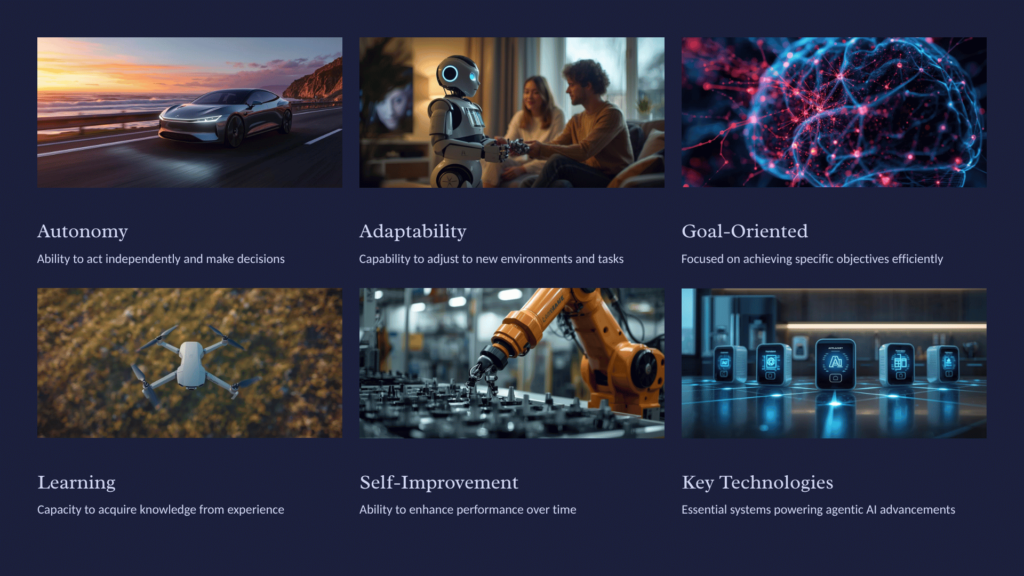
Alright, plain English: Agentic AI is AI that works independently. These systems don’t sit around waiting for commands—they observe what’s happening around them, think through what needs to happen, and then actually do it.

Think of them as goal-oriented digital workers that can:

  • Identify what needs to get done
  • Work out a game plan to make it happen
  • Execute the plan without supervision
  • Learn from how things went to improve next time

Generative AI is all about making stuff—write this article, create that image, code this feature. Agentic AI? It’s focused on actually getting things done and making decisions along the way.

Generative AI vs Agentic AI—What’s the Difference?

FeatureGenerative AIAgentic AI
What’s It For?Making content (articles, designs, code)Actually achieving goals independently
What Starts It?You give it a promptIt initiates stuff on its own
What You GetContent it createdReal actions and results
ExampleChatGPT writes your blog postAI agent writes the post, schedules it, AND publishes it

How Does Agentic AI Actually Work Behind the Scenes?

  • Agentic AI goes through this cycle that honestly mirrors how our brains work—just faster and without coffee breaks.
  • Perception: First, it’s gathering information from everywhere—APIs, what users are doing, live data feeds, whatever’s relevant.
  • Reasoning: Then it uses self-learning AI models to understand the goal and figure out the smartest approach. Not just any approach—the best one based on what it knows.
  • Planning: It maps out all the steps needed. Like a mental checklist, but way more detailed.
  • Action: Here’s where rubber meets road. It actually does the work—sends those emails, adjusts the budget, deploys that code update.
  • Feedback Loop: After everything’s done, it looks at the results. What worked? What didn’t? And it remembers for next time.
  • That’s what makes agent-based artificial intelligence so powerful—it’s constantly learning from its own experience in this closed loop. Gets sharper every single time.

2025’s Seeing a Major Push in Agentic AI Development

The tech giants aren’t messing around with this stuff. They’re investing serious money into Agentic AI right now.

  • Google’s Project Astra is working on these multimodal AI agents that can think and operate across multiple platforms at once. Pretty ambitious.
  • Microsoft Copilot started as a helpful assistant, but it’s evolving into something that can actually handle complete workflows from beginning to end without you stepping in.
  • OpenAI’s testing these AI Agent APIs that let the AI do real-world tasks for you—booking meetings, managing your whole workflow, all that stuff.

We’re watching a fundamental shift happen. Moving away from AI-powered automation tools that need oversight to fully autonomous AI ecosystems that can transform how entire industries operate. It’s happening faster than most people realize.

Where Agentic AI’s Actually Being Used Right Now

Don’t just take my word for it—let’s look at what autonomous AI systems are already doing across different fields in 2025:

1. Customer Support That Actually Works

Agentic AI handles customer questions, processes refunds, escalates the complicated stuff to humans when needed—all without anyone supervising it. Response times are way faster, and customers are actually happier.

2. Financial Trading Gets Smarter

Autonomous agents are analyzing market data in real-time, executing trades, managing entire portfolios with predictive algorithms. Less emotional decision-making, fewer costly mistakes from human error.

3. Marketing That Adapts on the Fly

AI agents 2025 are creating whole marketing campaigns, tracking how people respond, and tweaking strategies using self-learning AI models that respond to what audiences are actually doing—not what we think they’re doing.

4. Healthcare’s Getting More Precise

AI-driven agents are helping diagnose conditions, continuously monitoring patient vitals, suggesting personalized treatment plans. Doctors get better data, patients get better care, and the healthcare system runs more smoothly.

5. IT That Fixes Itself

In DevOps, agent-based artificial intelligence handles predictive maintenance (fixing problems before they happen), automates code deployment, optimizes systems—all the tedious stuff that used to require constant human attention.

Why Businesses Should Actually Care About This

Adopting Agentic AI isn’t just trendy—it brings real, measurable benefits:

You Get More Done, Faster: AI agents work 24/7 on repetitive tasks without needing breaks or getting tired. No overtime pay either.

Less Babysitting Required: Autonomous workflows mean you’re spending way less on labor for routine tasks while getting more output.

Better Decisions, Quicker: AI decision-making systems process massive amounts of data in seconds to make accurate calls that would take humans hours or days.

People Do What They’re Good At: With human-AI collaboration, people can focus on the creative and strategic thinking while AI handles execution. Everyone plays to their strengths.

It Gets Better Over Time: Thanks to self-learning AI models, these systems don’t stay static—they keep improving based on experience.

Bottom line: Agentic AI enables real AI transformation in business. You’re not just automating tasks anymore—you’re building intelligent autonomy into your operations.

The Challenges We Can’t Just Ignore

Look, Agentic AI is powerful, but it comes with some serious ethical implications and governance challenges we need to face head-on.

1. Who’s Responsible When Things Go Wrong?

If an AI agent screws up or causes harm, who takes the fall? The developer who built it? The company that deployed it? The user who set it loose? Not a simple answer.

2. Bias Amplification Is Real

Intelligent autonomous agents trained on biased data don’t just carry that bias forward—they can actually make it worse. That’s a problem we can’t ignore.

3. Security Vulnerabilities Multiply

Autonomous AI systems connected to the internet are vulnerable to cyberattacks. And if they’re making important decisions, a breach could be catastrophic.

4. The Black Box Problem

People need to understand how and why an AI agent made a particular decision. Without transparency, trust disappears, and regulatory compliance becomes impossible.

5. We Need Real Governance

Strong AI ethics and governance policies aren’t optional—they’re absolutely necessary for responsible AI development and deployment. Companies can’t self-regulate their way out of this.

Human-AI Collaboration: That’s Actually the Goal

What’s Coming Down the Pipeline in 2025

Gartner and McKinsey recently put out some reports with pretty eye-opening predictions for late 2025:

  • Over 45% of enterprise workflows will involve autonomous AI systems in some capacity
  • AI agents 2025 will handle close to half of all repetitive office tasks
  • Agent-based artificial intelligence becomes critical infrastructure in logistics, finance, education—not optional anymore
  • Governments worldwide will prioritize AI ethics and governance as they roll out new regulations around AI autonomy

These AI trends 2025 show we’re heading toward widespread automation—but hopefully with accountability baked in from the start. Responsible AI development has to be the foundation, not an afterthought.

Sustainability Matters Too

As AI adoption explodes, we can’t pretend the environmental impact doesn’t exist. Agentic AI requires enormous computational power, which means developing green AI frameworks isn’t just nice to have—it’s essential.

Tech companies are exploring energy-efficient data centers, working on carbon-neutral training models, and pushing responsible AI development practices that actually reduce automation’s environmental footprint. About time, honestly.

Conclusion: Autonomy Needs Responsibility

Moving from Generative AI to Agentic AI marks a genuine turning point in how we interact with technology.

We’re going from systems that react to what we tell them to systems that think independently, plan strategically, and act autonomously.

But here’s the real talk: autonomy without accountability is dangerous. The future of Agentic AI depends entirely on building ethical, transparent, and collaborative systems that enhance what humans can do—not replace human judgment or override human values.

Agentic AI doesn’t mean losing human control. It means building intelligent partnerships between humans and machines.

Organizations that embrace this responsibly in 2025 will lead the next wave of AI-powered transformation. Not because they deployed the fanciest technology, but because they figured out how to make humans and machines work together effectively—as partners with complementary strengths, not competitors fighting for control What Is Agentic AI? The Future of Autonomous AI Systems (2025 Guide).
Read More
What Is Data Science A Complete Beginner's Guide for 2025

What Is Data Science? A Complete Beginner’s Guide for 2025

Introduction: Understanding the Power of Data in 2025

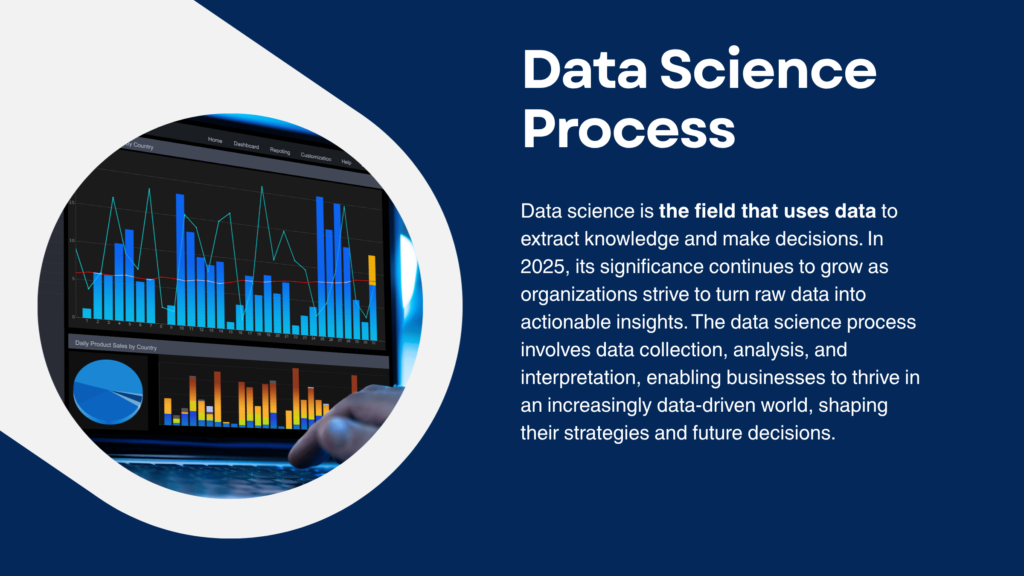
What Is Data Science? A Complete Beginner’s Guide for 2025 , You know how everyone says “data is the new oil”? Well, they’re not wrong. Every time you scroll through Instagram, shop online, or even check the weather, you’re creating data. Data Science Mountains of it. And in 2025, that data isn’t just sitting around—it’s being turned into something incredibly valuable.

But here’s the thing: raw data alone doesn’t mean much. It’s like having all the ingredients for a cake but no recipe. That’s where data science comes into play.

So, what is data science exactly? Think of it as detective work meets technology. Data science for beginners might sound intimidating, but at its core, it’s about digging through information, finding patterns, and using those discoveries to solve actual problems. Data Science You’re basically teaching computers to think smarter so businesses can make better choices.

And honestly? Whether you’re a college student trying to figure out your career path, someone stuck in a 9-to-5 looking for a change, or an entrepreneur wanting to understand your customers better—getting a grip on data science is becoming less of a “nice to have” and more of a “you really should know this.”

What Is Data Science? (Data Science Meaning)

Alright, let’s break down the data science meaning without getting too technical.

Imagine you run a coffee shop. You’ve got sales records, customer feedback, weather data, social media mentions—loads of random information scattered everywhere. Data science is the process of collecting all that messy stuff, cleaning it up, analyzing it, and then actually understanding what it tells you. Like, “Hey, people buy more iced lattes when it’s above 75 degrees” or “Instagram posts on Fridays drive more foot traffic.”

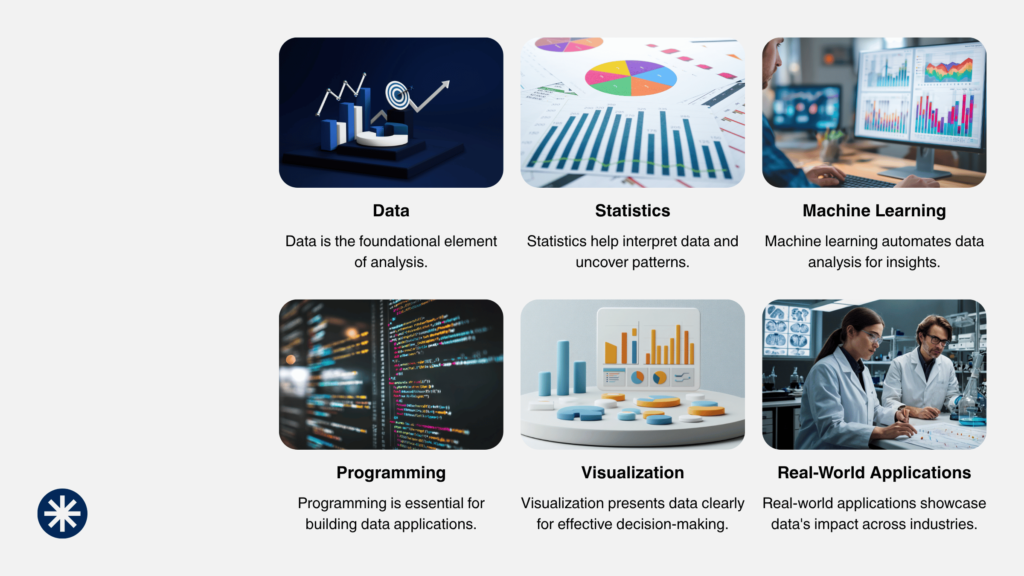
A Data Scientist (yes, that’s an actual job title) uses tools like statistics, programming, and machine learning to spot these patterns. They’re not just looking at what happened—they’re predicting what might happen next. That’s where things get really interesting.

Here’s the simplest way to think about it:

Data Science = Raw Data + Smart Algorithms + Useful Insights + Real Action

It’s not just about crunching numbers. It’s about turning those numbers into decisions that actually matter.

Importance of Data Science in 2025

Let me be real with you—the importance of data science in 2025 isn’t something companies are debating anymore. It’s basically survival mode now. Data Science If you’re not using data to make decisions, you’re already behind.

Here’s why data science matters so much right now:

Smarter Decisions, Not Gut Feelings
Gone are the days when CEOs could just “go with their gut.” Now, businesses use data-driven decision making to figure out what customers actually want, not what they think they want. It’s the difference between guessing and knowing.

Getting More Done with Less
Machine learning and automation aren’t just buzzwords—they’re saving companies serious time and money. Tasks that used to take weeks now happen in hours. That’s efficiency on steroids.

Personalization That Actually Works
Ever wonder how Netflix always knows what you want to watch next? Or how Amazon seems to read your mind? That’s artificial intelligence (AI) and data science working behind the scenes. They study your behavior and tailor everything to you.

Seeing the Future (Kind of)
Through predictive analytics, companies can forecast trends, stop fraud before it happens, and plan moves years in advance. It’s not magic—it’s math done really, really well.

Fun fact: According to a 2025 Garter report, companies that actually use data science are beating their competitors by more than 20% when it comes to getting things done efficiently. That’s not a small gap—that’s a massive advantage.

Types of Data Science

Not all data science is created equal. Depending on what you’re trying to accomplish, there are different flavors to choose from. Data Science Let’s walk through the main types of data science:

Descriptive Data Science – The “What Happened?” Type
This is where you look at past data and summarize it. Think dashboards, charts, reports—basically data visualization that tells you what already went down. Like reviewing last quarter’s sales to see which products flopped.

Diagnostic Data Science – The “Why Did It Happen?” Type
Now you’re digging deeper. You’re not just accepting that sales dropped—you’re figuring out why. Was it the price? Bad reviews? A competitor’s campaign? This involves correlation studies and root-cause analysis Data Science.

Predictive Data Science – The “What’s Going to Happen?” Type
Here’s where machine learning and AI really shine. You’re using historical data to predict future outcomes. Banks do this for credit scores. Retailers do this to forecast demand. It’s like having a crystal ball, except it’s backed by algorithms Data Science.

Prescriptive Data Science – The “What Should We Do?” Type
This is the most advanced level. Not only are you predicting the future, but you’re also recommending specific actions. Should we launch this product? Hire more staff? Change our pricing? Prescriptive data science gives you the game plan Data Science.

These types of data science often work together. You start by understanding what happened, figure out why, predict what’s next, and then decide your move. It’s a full cycle Data Science.

How Data Science Works (Step-by-Step)

Curious about how data science works? Let me walk you through it like you’re following a recipe Data Science.

Step 1: Data Collection
First, you gather data from everywhere—websites, apps, sensors, databases, customer surveys. The more sources, the better. But quantity without quality? Data Science That’s a problem.

Step 2: Data Cleaning
This is the unsexy part. You’re removing duplicates, fixing typos, filling in missing values. Data in the real world is messy. Really messy. Some experts say this step takes up 60-80% of the time. Not glamorous, but necessary.

Step 3: Data Analysis
Now you start exploring. What patterns exist? What’s connected to what? This is where tools like Python for data science come in handy. You’re basically interrogating the data until it confesses its secrets.

Step 4: Model Building
Here’s where the magic happens. You apply machine learning algorithms to build models that can make predictions. Think of it as training a super-smart assistant who learns from examples.

Step 5: Data Visualization
Numbers are boring. Charts and dashboards? Way more convincing. Tools like Power BI or Tableau help you turn complex findings into visuals that anyone can understand.

Step 6: Decision Making
Finally, you use everything you’ve learned to guide business intelligence strategies. Data Science This is where data science stops being theoretical and starts being practical.

That’s the whole process in a nutshell. What is data science and how does it work? It’s this cycle—repeated over and over, getting smarter each time.

Data Science Tools and Techniques (2025 Edition)

If you’re serious about learning data science, you need to know your tools. Here’s a breakdown of the best data science tools for beginners 2025:

Learning these data science tools and techniques might feel overwhelming at first, but here’s the truth: you don’t need to master them all at once. Start with Python and SQL, then expand from there. Baby steps still get you to the finish line.

Real-World Examples of Data Science in Action

Still not convinced? Let’s talk about some real-world examples of data science that you probably interact with every single day.

Netflix – Your Personal Binge-Watching Assistant
How does Netflix know you’ll love that new thriller? Predictive analytics. They track what you watch, when you pause, what you rewatch—and use that to recommend shows. It’s creepy accurate because the algorithm knows you better than you know yourself.

Amazon – Shopping Made Scarily Easy
Ever notice how Amazon suggests products you didn’t even know you needed? That’s big data combined with AI. They analyze millions of purchases, reviews, and browsing habits to personalize your entire shopping experience.

Healthcare – Saving Lives with Data
Hospitals are now using data science to predict disease outbreaks, improve diagnoses, and even personalize treatment plans. During COVID-19, data models helped track spread patterns and allocate resources.

Finance – Catching Fraudsters Red-Handed
Banks use machine learning to detect fraud in real time. If your card suddenly gets swiped in another country, the system flags it immediately. That’s data science protecting your money 24/7.

Marketing – Ads That Actually Work
Brands analyze social media behavior, website clicks, and engagement metrics to fine-tune their campaigns. That ad you saw five times? Yeah, data science decided you were the perfect target.

These applications of data science show just how embedded this field is in our daily lives. It’s not some futuristic concept—it’s happening right now Data Science.

Data Science Career Path for Beginners in 2025

So maybe now you’re thinking, “This sounds cool. Can I actually do this?” Data Science The answer is yes. Here’s your data science career path for beginners:

Step 1: Learn the Basics
Start with what are the basics of data science—statistics, basic programming (especially Python), and understanding how data analysis works. Don’t skip the fundamentals.

Step 2: Practice with Real Projects
Theory only gets you so far. Grab free datasets from sites like Kaggle and start building small projects. Analyze movie ratings, predict housing prices, whatever interests you.

Step 3: Master the Tools
Get comfortable with Python for data science, SQL for databases, and visualization tools like Tableau. These are your bread and butter.

Step 4: Pick a Specialization
Data science is broad. Do you want to focus on AI, machine learning, business intelligence, or something else? Find your niche.

Step 5: Get Certified
Platforms like Coursera, Google, and IBM offer certifications that employers actually recognize. They’re not mandatory, but they definitely help.

Step 6: Build a Portfolio
Create a GitHub profile or Kaggle account and showcase your work. Recruiters want to see what you can do, not just what courses you’ve taken.

Following this roadmap won’t make you an expert overnight, but it’ll put you on the right track. And honestly? The demand for data scientists in 2025 is so high that even entry-level roles are paying well.

How to Learn Data Science in 2025

Wondering how to learn data science in 2025? Data Science The good news is you don’t need a fancy degree to get started. Here’s how people are doing it:

Online Courses Are Your Best Friend
Platforms like Coursera, edX, and Udemy have structured paths specifically designed for beginners. Data ScienceYou can learn at your own pace, often for free or cheap.

YouTube Is Underrated
Channels like Krish Naik, Ken Jee, and StatQuest break down complex topics into bite-sized videos. Sometimes a 10-minute explanation beats a 3-hour lecture.

Join Communities (Seriously, Do It)
Platforms like Kaggle, Reddit, and Discord have active data science communities. You can ask questions, share projects, and learn from people who’ve been where you are.

Work on Real Case Studies
Analyze COVID-19 trends. Study eCommerce sales patterns. Pick something you’re curious about and dive deep. The best way to learn is by doing.

Stay Updated
Data science evolves fast. Follow industry blogs, subscribe to newsletters, and keep an eye on new tools and techniques. What’s hot today might be outdated in six months.

Here’s the truth: consistency beats intensity. Spending 30 minutes daily learning data science will get you further than cramming for 8 hours once a week.

Benefits of Learning Data Science in 2025

Still on the fence? Let me give you some solid reasons why learning data science is one of the smartest moves you can make right now.

High Demand = High Pay
Data scientists are consistently ranked among the highest-paying tech jobs globally. Data Science We’re talking six-figure salaries, even for mid-level roles. The demand is insane.

It’s Incredibly Versatile
Data science skills apply everywhere—healthcare, finance, marketing, entertainment, sports, government. Name an industry, and they need data people.

You Become a Better Problem Solver
Learning data science trains you to think critically and make decisions based on evidence, not emotions. That’s a skill that translates to literally everything in life.

Future-Proof Your Career
With AI and automation on the rise, jobs are changing. But data science? That’s only getting bigger. Learning it now is like investing early in the stock market.

The benefits of learning data science in 2025 go way beyond the paycheck. It’s about staying relevant in a world that’s increasingly powered by data-driven decision making.

Difference Between Data Science and Data Analytics

A lot of beginners get confused here, so let’s clear it up: Data Science and Data Analytics are related, but they’re not the same thing.

FeatureData ScienceData AnalyticsFocusBuilding predictive models, discovering new insightsExploring and summarizing existing dataToolsPython, TensorFlow, R, advanced ML frameworksExcel, Power BI, SQL, basic stats toolsGoalPredict the future, uncover hidden patternsAnswer specific questions, explain what happenedScopeBroad (includes AI, ML, Big Data)Narrower (mostly descriptive analysis)

In short, Data Analytics is like reading the story that’s already been written. Data Science is about predicting how the story ends—and maybe even changing the ending. Data Science is deeper, more technical, and involves machine learning and AI Data Science, while Data Analytics is more about interpreting data to support decisions.

FAQs: Data Science for Beginners

Q1. What is data science and how does it work?
It’s the practice of extracting insights from raw data using statistics, programming, AI, and machine learning. You collect data, clean it, analyze it, build models, and use the results to make smarter decisions.

Q2. What are the basics of data science?
You need to understand statistics, learn a programming language (Python is most popular), get familiar with data visualization, and understand business intelligence concepts.

Q3. How to learn data science in 2025?
Start with online courses, practice with real projects, join communities, and stay consistent. You don’t need a degree—just curiosity and dedication Data Science .

Q4. What are the best data science tools for beginners 2025?
Python, Power BI, Tableau, TensorFlow, Scikit-learn, and SQL are the top picks. Master these and you’re golden.

Q5. What’s the difference between data science and data analytics?
Data Science includes predictive modeling, machine learning, and AI. Data Analytics focuses more on descriptive insights and answering specific business questions.

Conclusion

Here’s the bottom line: in 2025, data science isn’t just a trendy buzzword—it’s essential. From scrappy startups to Fortune 500 giants, every company is leaning on data-driven decision making to grow, compete, and innovate What Is Data Science? A Complete Beginner’s Guide for 2025 .

Read More